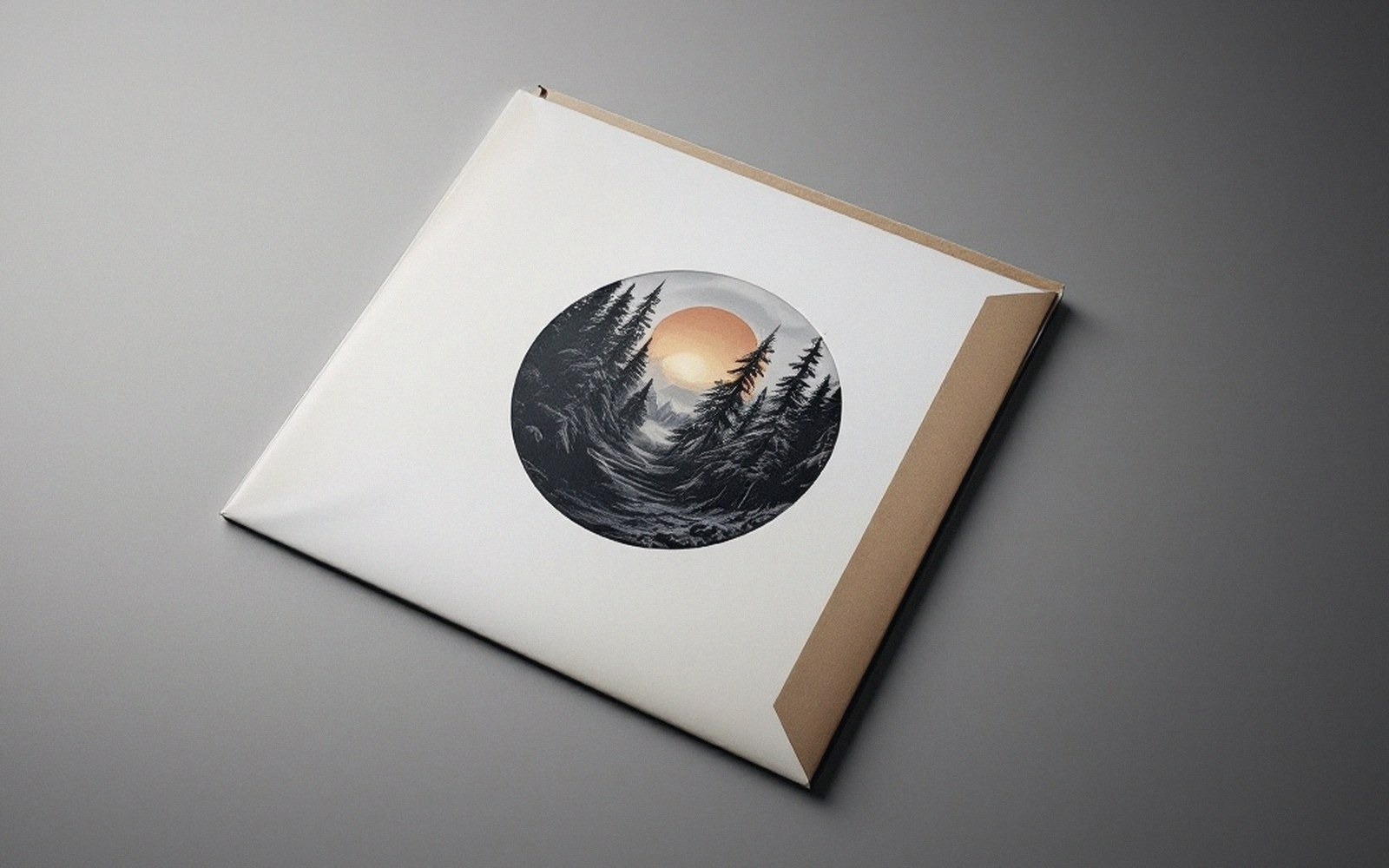
Flat-lit · the object is the subject
Nordic metal, photographed the way a catalogue shoots it
Records, rooms and machinery, square-on under even light. What follows is about how this music was made, pressed, printed and sold — not about the people who made it.
Illustration: generated
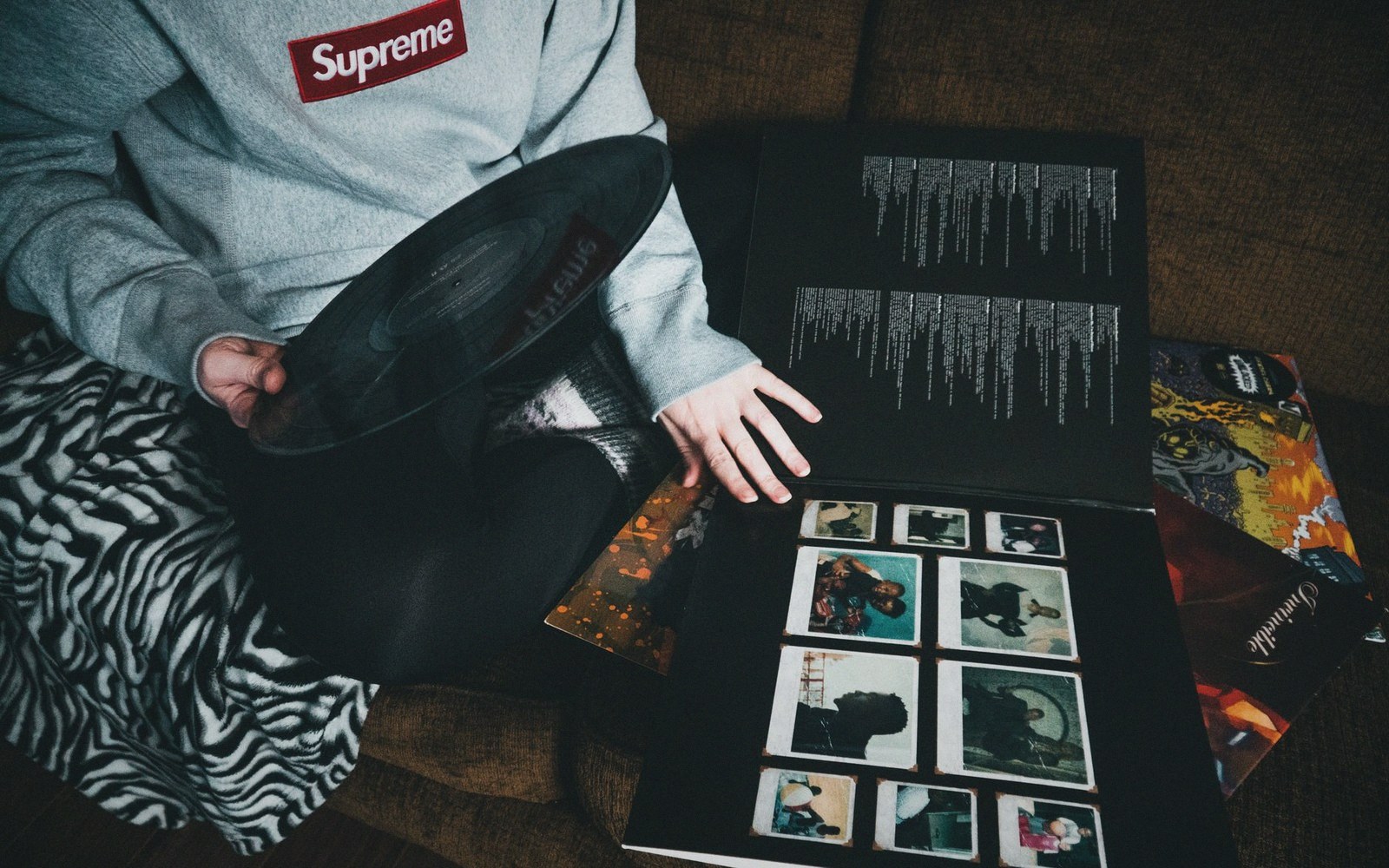
Sleeve Art · the long read
Painted on Board, Photographed, Then Printed at Twelve Inches
How a Nordic metal sleeve moved from stretched canvas to pressing plant — and what was lost, changed, or clarified at every step.
The chain runs brief, board, copy camera, separation, press proof, print run — and every stage removes something. Read it once and you will never look at a sleeve the same way.
The Back Cover
Presenting partners
Labels, plants and workshops whose work runs through ours.
 WIFEY Celebrates long-term investment paying off, exactly like a savvy label sitting on a rare reissue catalog.
 Why Not Bi Embraces every angle available, the way Nordic producers blended genres across a single pressing.
 My Dirty Maid Knows that the most compelling scenes happen behind closed doors, just like legendary studio sessions.
 Dare DormCaptures raw, submitted footage with the same grassroots spirit as early Nordic tape-trading scenes.
Five sections
The site is cut the way a record is made and sold: the sound, the labels, the sleeve, the pressing, the scene.
The Back Cover
Also printed on the reverse
Two more of the trades that keep this music in circulation.


From the rooms
Six pieces about the parts of the process that decided what the record sounds like and what it is worth.
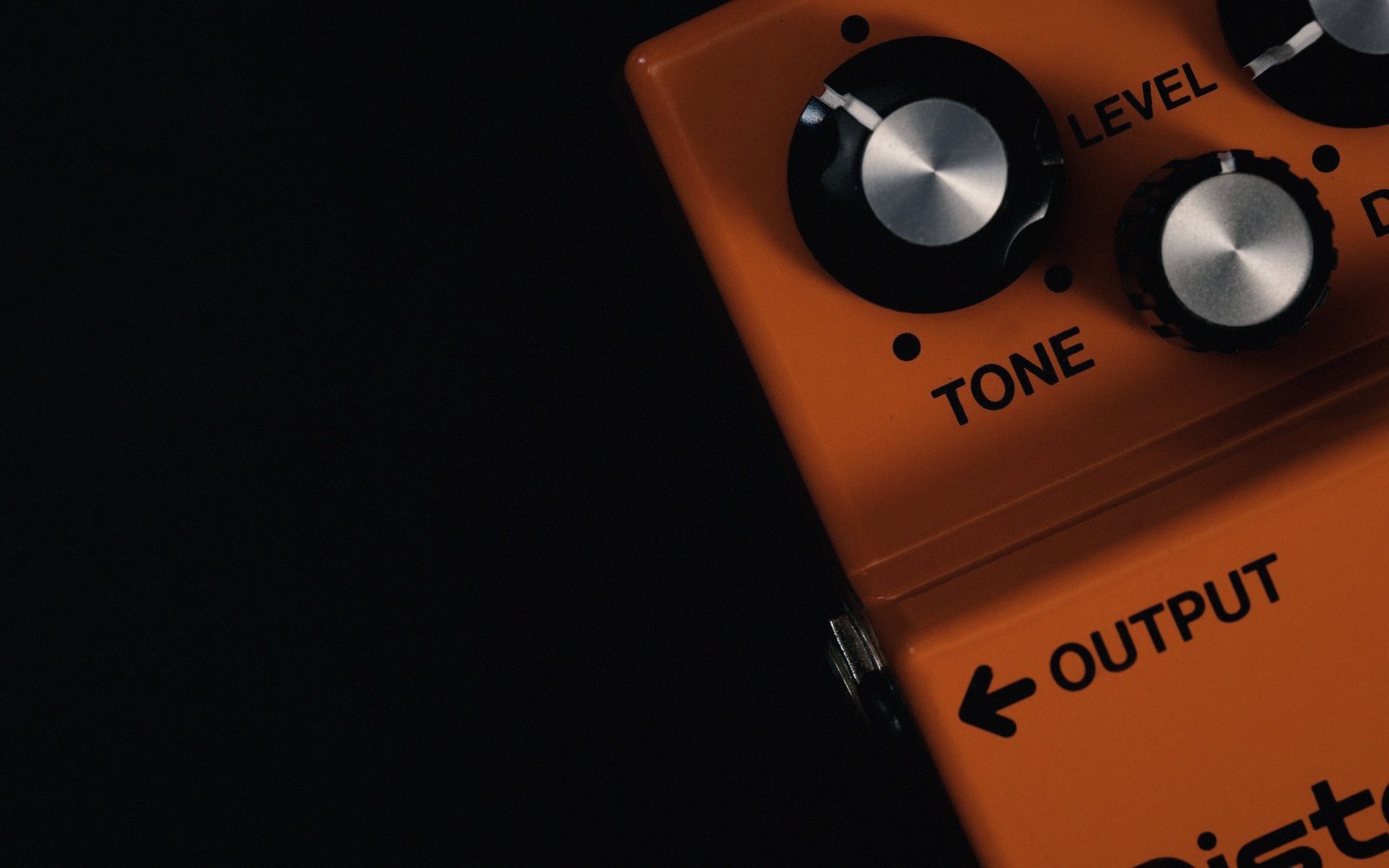
The Pedal That Refused to Leave
Why one discontinued stompbox defined an entire recording scene — and why nothing else did the job
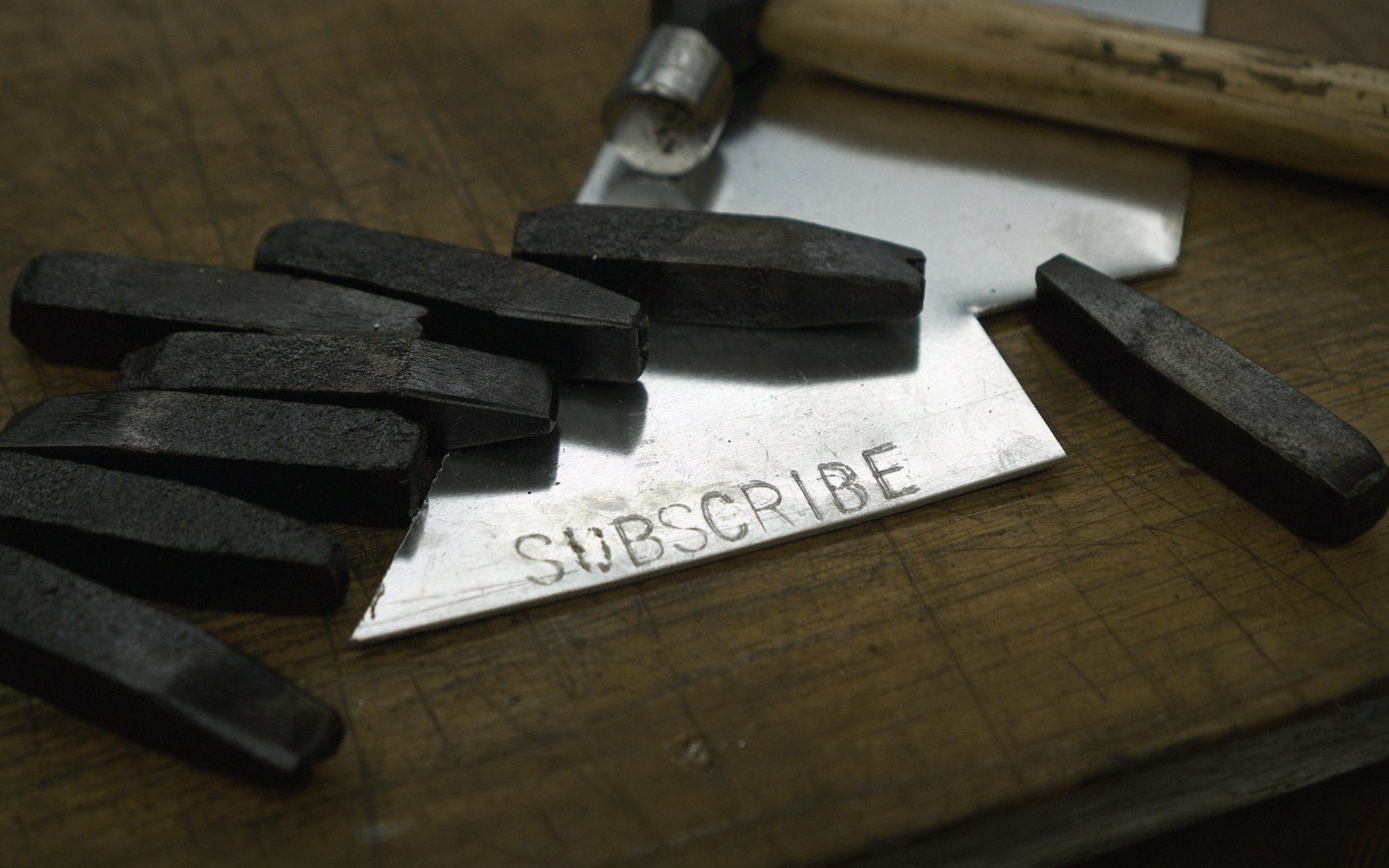
Everything the Runout Groove Tells You
A collector's reference for reading the matrix area of a Nordic metal pressing
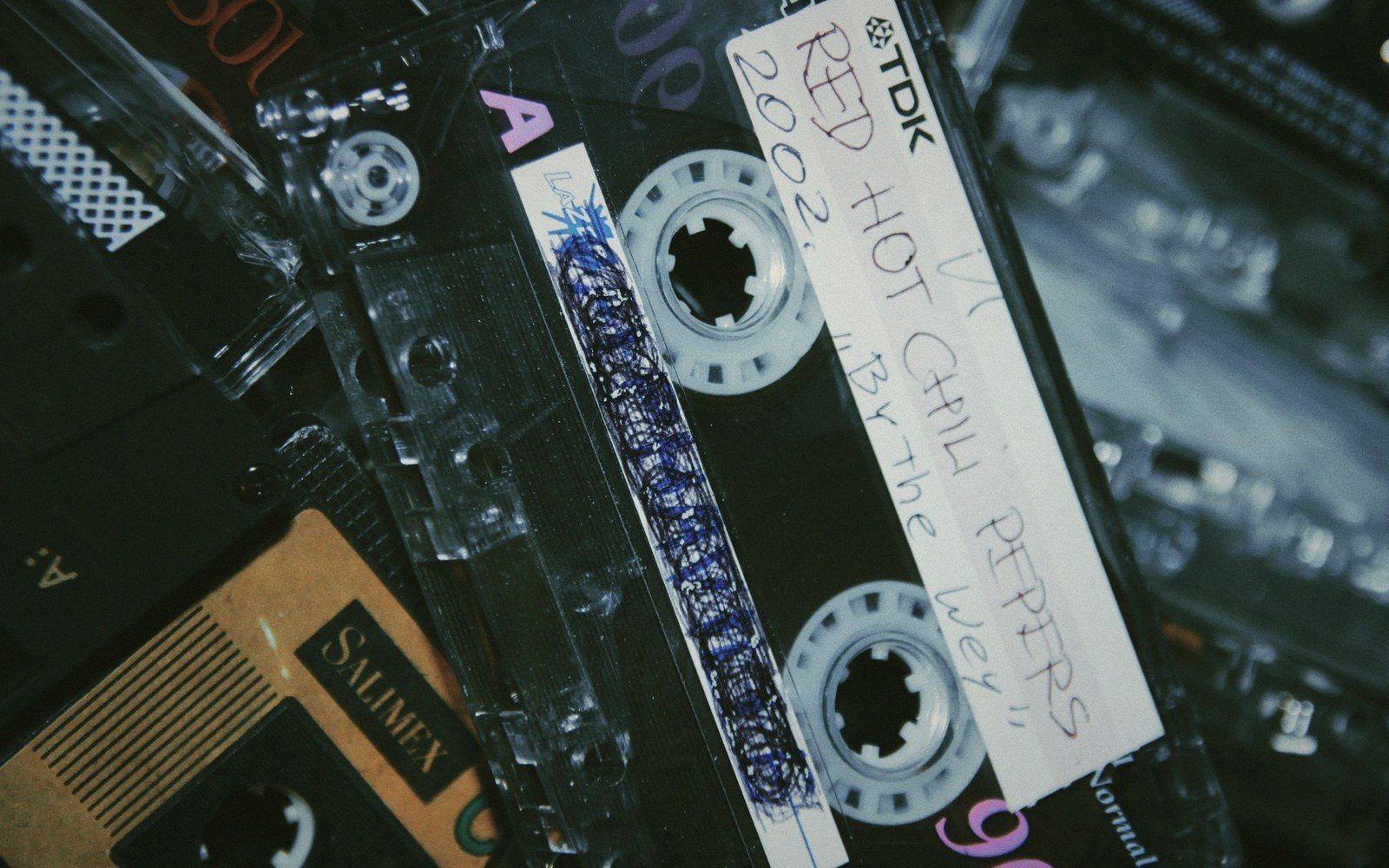
The Tape-Trading Circuit
Before the label existed, the tape did its work — how cassette demos moved across borders, built scenes, and told labels where to look.

Four Colours and What They Cannot Do
The gap between the painting and the printed jacket

How a Nordic Metal Label Actually Worked
The economics of an independent Nordic metal label in the 1990s were not complicated — they were just brutal. A walk through the documented operational structure, from pressing order to distributor invoice.
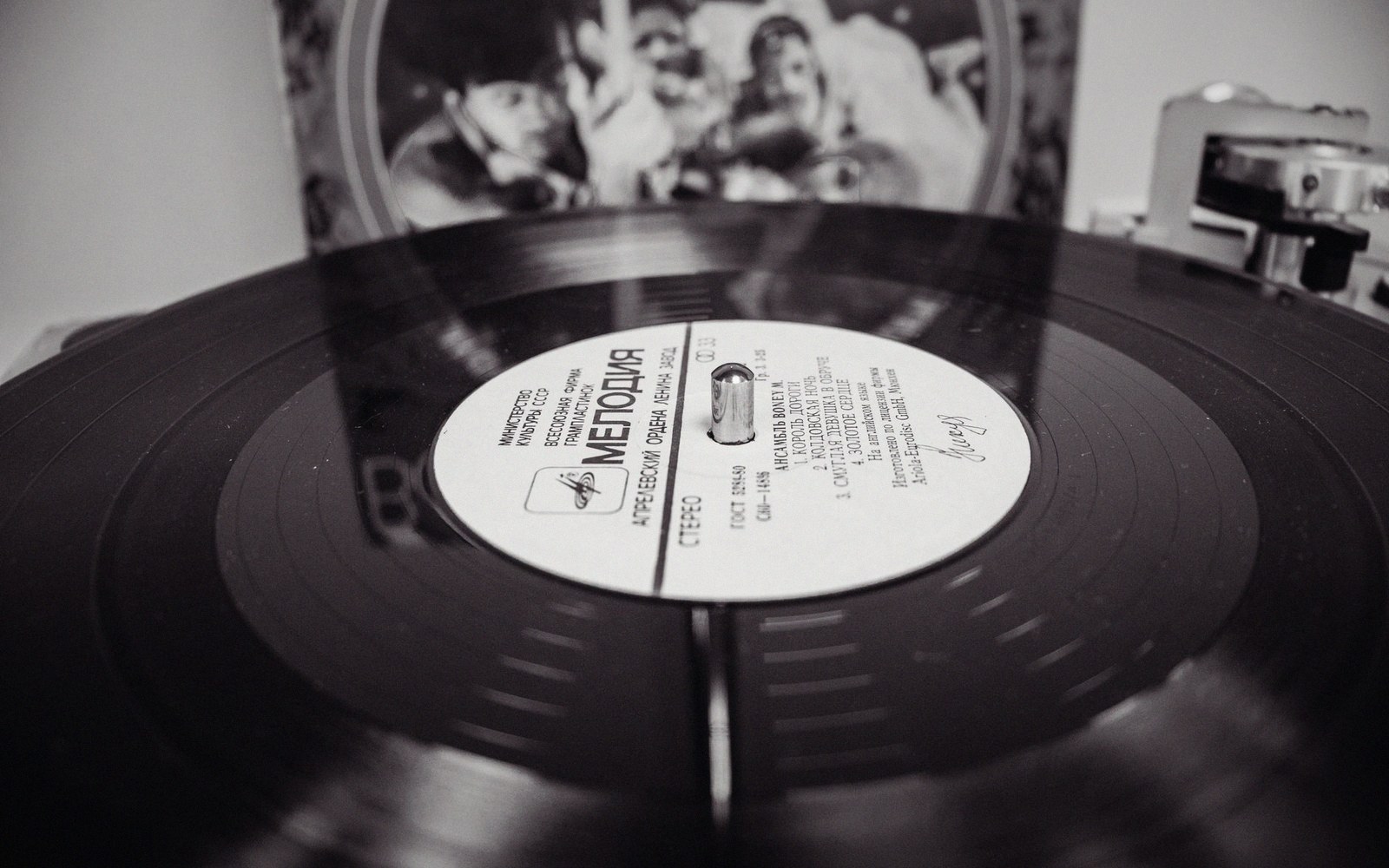
The Bergen Scene: What the Records Show
What the physical record — sleeve credits, studio addresses, label imprints — actually tells you about Bergen's metal output, stripped of the mythology.
The Back Cover
Supporting partners
Both of these work at the unglamorous end of the chain, which is the end this site is about.


The long ones
Five pieces to read properly, flush left in the order we would read them.
The Back Cover
Supporting partners
Two trades that show up in the credits far more often than they show up in the stories.


The Scenes
Four cities, one basement, several arguments
Almost everything on this site was made in five rooms across four cities, and pressed somewhere else entirely. The early-nineties Norwegian scene also produced documented crimes — church arsons, and a murder in 1993 for which a musician in that scene was convicted. Stated plainly, once, because it changed the trade; not illustrated, not ranked, not excused.
Open The ScenesThe Back Cover
One more on the reverse
The last name on the back cover, same size as the first.
