The Counterintuitive Arithmetic of Collector Value
First pressings carry a presumption of superiority baked so deep into collector culture that it barely gets examined. For most Nordic metal vinyl, the presumption holds. But for a documented subset of titles — particularly from the early-to-mid 1990s, when pressing quantities were small and quality control was inconsistent — the second pressing commands more money, and the reasons are straightforward once you look at the physical evidence rather than the mythology.
The first issue is condition. An original pressing from, say, a 300-unit run distributed almost entirely through mail-order catalogues and tape-trading contacts was handled constantly: posted in paper sleeves, played on indifferent hardware, stored in damp rehearsal spaces. By the time a title attracted collector attention, surviving first pressings were often visibly worn. A second pressing — manufactured perhaps a year later, after the label had signed a distribution deal and pressed in larger numbers — might have sat undisturbed in a warehouse and emerges in genuinely unplayed condition. Condition premiums are real and documented in dealer price lists.
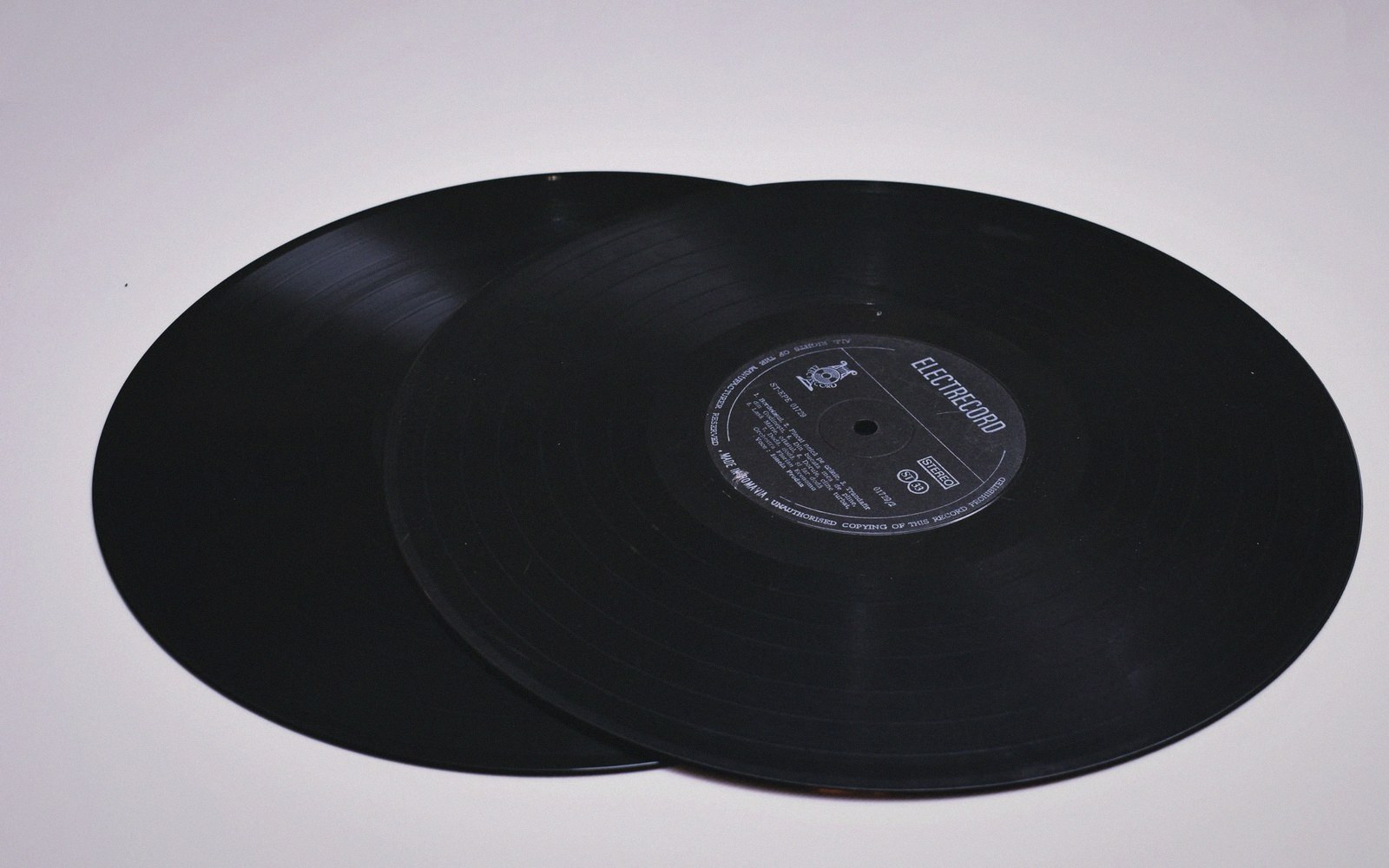
The second issue is label design. Labels frequently revised their sleeve art and centre-label typography between pressings — correcting errors, changing distributor credit blocks, updating logo treatments. Where the second pressing carries a visually distinct label design that was only used briefly before a third pressing or CD reissue standardised the artwork again, it occupies a documented variant category of its own. Collectors who track label matrix variants find that these middle pressings can be rarer in practice than the firsts, which at least had the benefit of being the version everyone knew about.
Pressing hierarchy — the three variables
| Item | What it means |
|---|---|
| Condition | original pressings from small runs were heavily circulated; later pressings sometimes survive in better physical state |
| Label design variants | revised credit blocks, logo changes, and distributor lines between pressings create distinct documented variants |
| Actual quantities | a second pressing can be numerically scarcer than both the first and a subsequent colour-vinyl reissue |
The third issue, less glamorous but decisive, is simply counting. A first pressing of 500 copies sounds scarce until you note that a reissue announced as "limited" on colour vinyl may have been pressed in 200 copies — with the original black-vinyl second pressing, squeezed between first and reissue, never reprinted and effectively forgotten. The reissue created demand; the second pressing absorbed none of it and remained in relative obscurity.
None of this argues against tracking first pressings as a default. It argues for reading the runout groove and the label typography before assuming hierarchy. The number stamped in the dead wax tells you which cut; the credit block on the centre label tells you which distribution era; and the price a knowledgeable dealer charges tells you which one is actually hard to find.