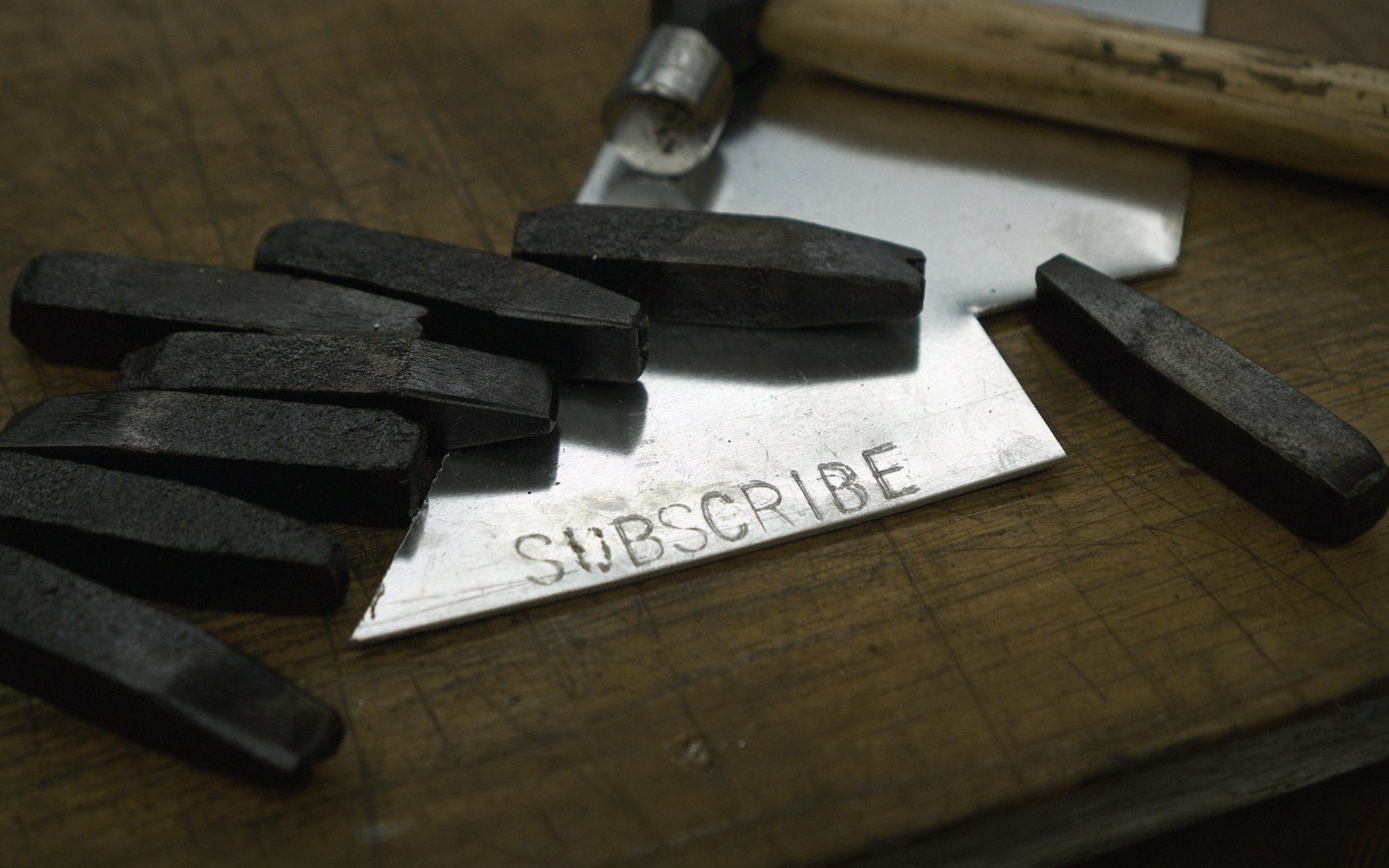
A collector's reference for reading the matrix area of a Nordic metal pressing
The runout groove is the narrow land between the last music groove and the label. On most pressings it carries more useful information than the sleeve. Learn to read it and you stop guessing: you know where the record was cut, from what generation of audio, and whether what you are holding is the original pressing or something made thirty years later from a copy of a copy.
What the matrix number actually encodes
Every commercial vinyl pressing begins with a lacquer disc cut from a master tape — or, in later decades, from a digital source. The cutting engineer scribes or stamps a matrix number into the runout before the lacquer leaves the cutting room. That number is the record's primary identity document.
For Nordic metal releases of the late 1980s and early 1990s, the matrix number typically encodes the label's catalogue number, the side (A or B, or 1 and 2), and a suffix that tracks the lacquer generation. The suffix matters enormously. A bare matrix — say, something ending in A — usually denotes the first lacquer cut. A second cut, made because the first was rejected or worn out, adds B, and so on. In the collector market, first pressings regularly command more than later ones for precisely this kind of traceable reason: provenance is audible, and the runout is the proof.
Pressing-plant vocabulary
| Item | What it means |
|---|---|
| matrix number | the alphanumeric code scribed or stamped into the runout identifying the lacquer, side, and cut version |
| lacquer | the soft aluminium disc coated in acetate lacquer, cut on a lathe from the master; the origin of every pressed copy |
| mother | the electroplated negative of the lacquer, used to produce stampers; a mother pressing is one made directly from this metal part |
| stamper | the hardened metal die that presses vinyl records; wears with use, advancing the generation of each subsequent pressing |
| hand-etch | text added by the cutting engineer personally, distinct from the mechanically stamped matrix; typically initials and sometimes a date |
| cut suffix | the letter or number appended to the matrix (A1, A2, B, etc.) indicating which lacquer iteration was used for a given pressing run |
Some Scandinavian labels, particularly in Sweden during the early 1990s, had their cutting done domestically — Europadisk and CBS/Sony's Swedish plant handled work for several Stockholm and Gothenburg acts — while others sent lacquers to Germany, where Neumann lathes at plants like Pallas or Record Industry's predecessors were common. The matrix number's format shifts accordingly. German-cut lacquers from this period often carry a date stamp alongside the matrix; Swedish-cut ones more commonly do not.
Hand-etched additions and what they mean
Alongside the stamped or machine-etched matrix, you will almost always find hand-etched text added by the cutting engineer personally. These are not decorative. Each set of initials identifies the individual who ran the lathe. Cross-reference those initials against documented cutting engineer rosters for a given plant and you can confirm not just the plant but the approximate date range, since engineers moved between facilities or changed roles.
On pressings connected to the Swedish death metal scene — records emerging from studios like Sunlight — the cutting was sometimes done outside Sweden, and the hand-etched initials are often the only evidence of which plant received the tape. A Swedish label catalogue number in the stamped matrix combined with German cutting-engineer initials in the hand-etch is a common configuration and is not a contradiction; it reflects the standard practice of sending tape abroad for a superior cut.
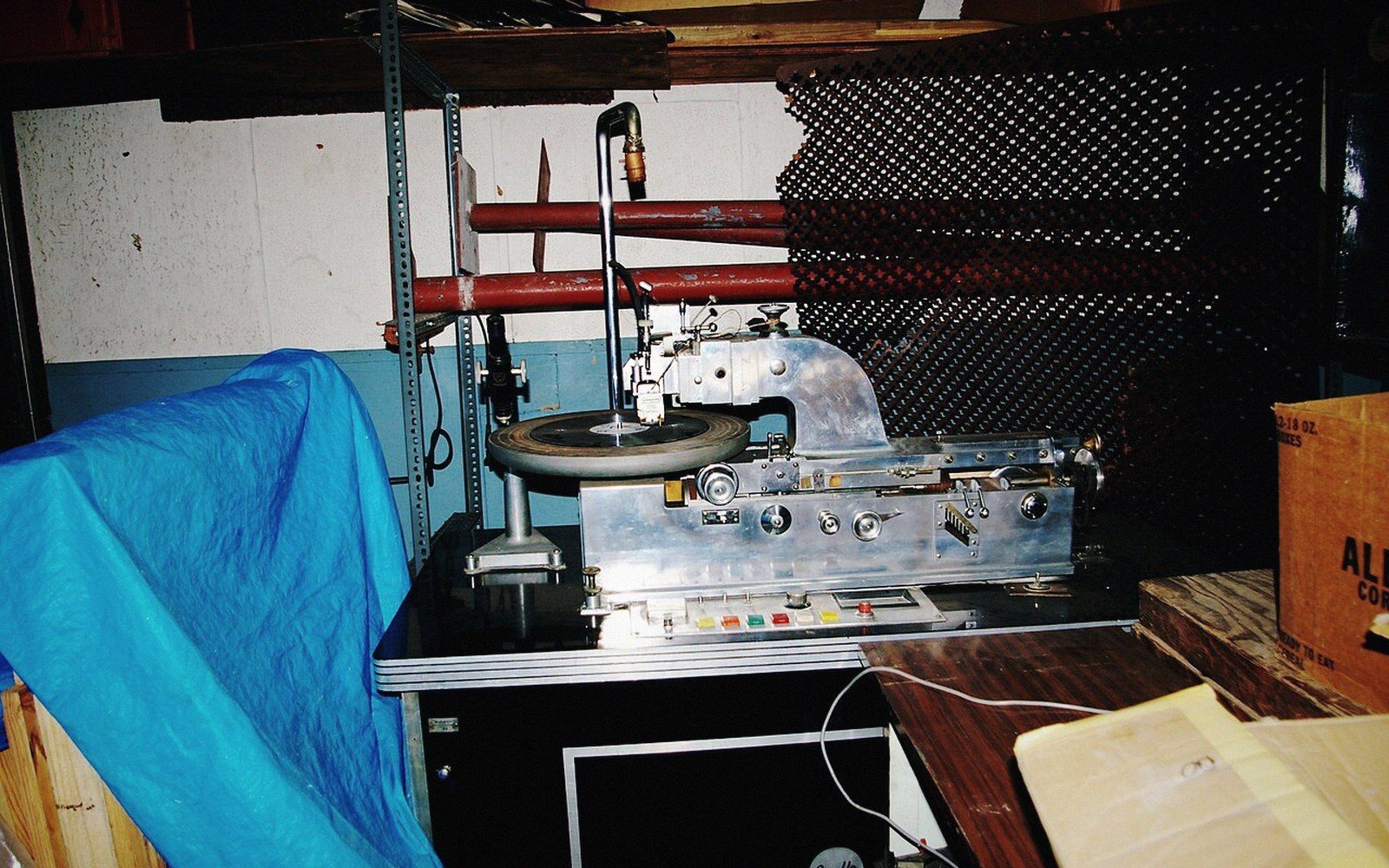
Beyond initials, cutting engineers sometimes noted the lacquer cut date, a personal mark, or a brief message. These are genuine historical traces, not marketing folklore. Do not mistake them for bootleg indicators: unauthorised pressings typically omit hand-etch entirely or reproduce the original matrix mechanically without the personal additions, which is itself a tell.
Generations, mothers, and stampers — and how the runout tracks them
After the lacquer, the pressing sequence goes: lacquer → electroplated negative (the mother) → stamper → pressed vinyl. Each step introduces a generation of distance from the original master signal. The runout can indicate which generation you are dealing with if you know what to look for.
A test pressing — sometimes called a reference pressing — will typically carry a hand-written matrix only, no stamped catalogue information, and is not intended for sale. These occasionally surface in collections and are unambiguous if the runout is examined carefully rather than relied on from a photograph. Test pressings from Nordic metal labels of this period were cut in small numbers, sometimes fewer than ten copies per side, and were used for label and band approval before the stamper order was confirmed.
Chronology of process
Production pressings carry both stamped and hand-etched information. If the stamped numeral suffix advances — A1, A2, A3 — that indicates successive lacquer cuts, likely because an earlier stamper wore out and a new lacquer was pulled. Later pressings made from these worn-stamper generations sound measurably softer in the high-frequency transients; the runout tells you in advance what the stylus will confirm.
A reissue made from a digital transfer back to lacquer will typically carry a new, later matrix number series, often with the year encoded or a reissue indicator added by the current rights-holder. Some reissue plants add their own plant code as a prefix. If the matrix number on a purportedly original pressing includes a plant code that postdates the original release by a decade, you are not holding an original pressing regardless of what the sleeve says.
The runout groove demands a loupe and a flat surface, not a gut feeling. Bring the light in from a low angle, transcribe what you see before you interpret it, and check the hand-etch last — it is the most individual element and the hardest to fake. Everything the record knows about its own origin is written there. You just have to read it.