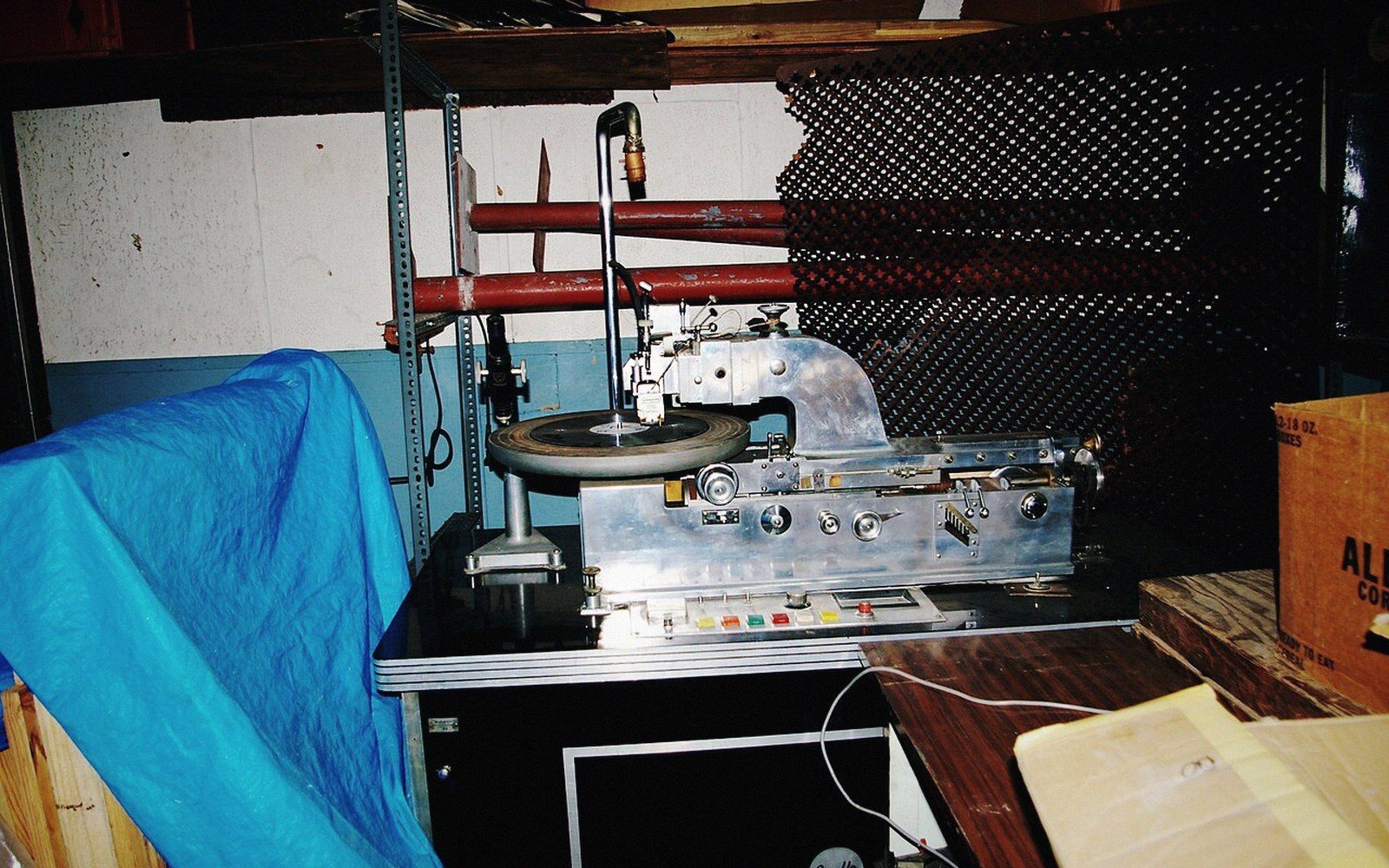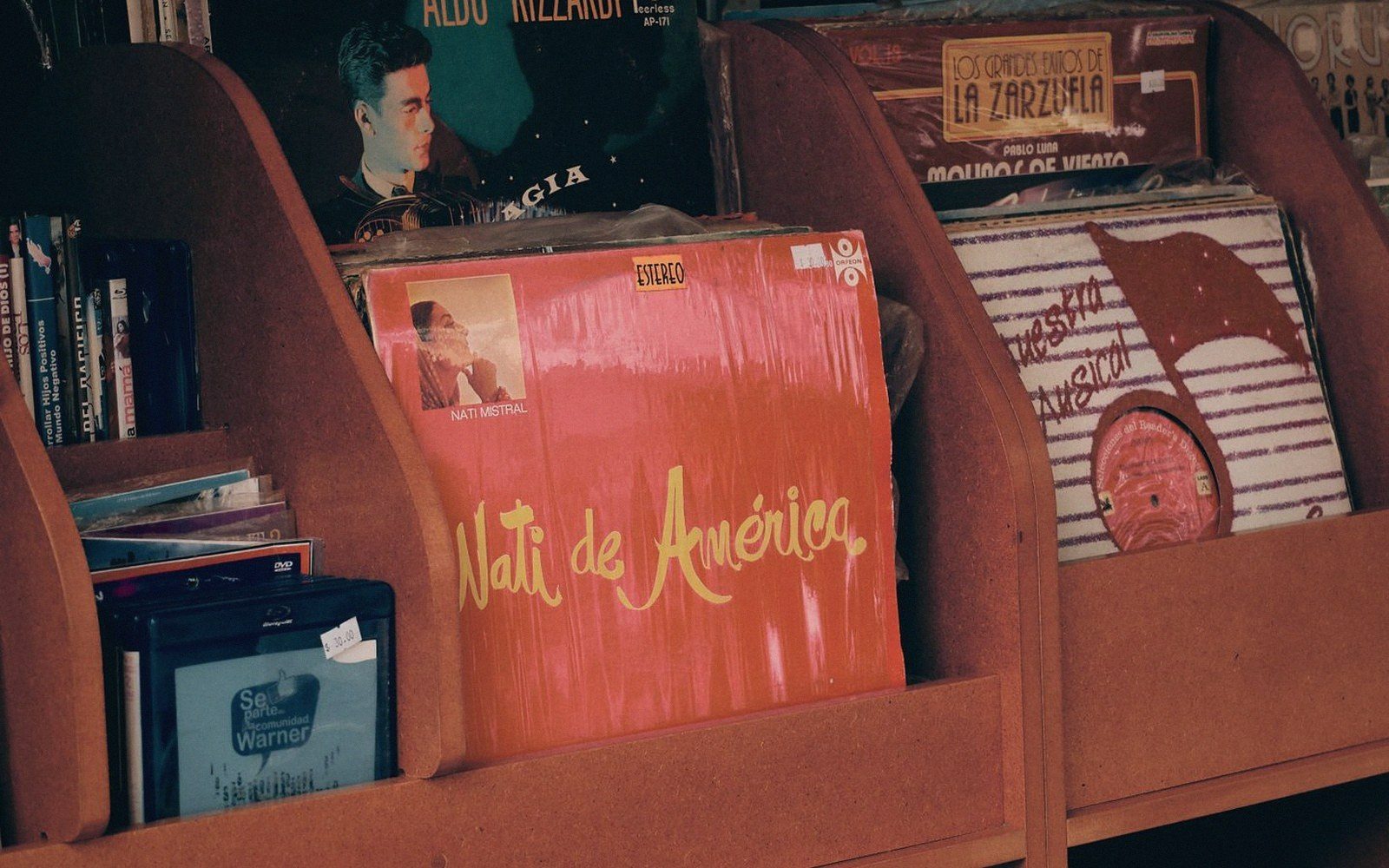
When a Swedish death metal record reached a North American pressing plant, it usually did so on someone else's paper — here is what that arrangement actually looked like.
Why Licensing, Not Distribution
Direct distribution from a Stockholm or Gothenburg label into North American record shops was, in most documented cases, prohibitively expensive before the mid-1990s. Freight costs, import duties, the complexity of setting up accounts with domestic distributors, and the sheer difficulty of chasing payment from shops across a continent made the economics unreliable. The simpler path was a licence: the Nordic label retained ownership of the master recording, the North American partner paid a negotiated fee or royalty advance, pressed their own copies, and handled domestic distribution within their own territory.
The licensing label — typically a small American or Canadian independent — took on the commercial risk in exchange for exclusive rights over a defined territory, usually the United States and Canada together, for a fixed term. Terms of two to five years were common in documented contracts from this period. At the end of the term, rights reverted to the originating label unless renewed. The Nordic licensor received an upfront advance against a royalty rate, with the royalty calculated on either the published dealer price or the retail price depending on what had been negotiated. Because these were small independent transactions, the royalty rates and advance amounts varied considerably; no single standard applied across the industry.
What Changed at the Border
Once the licence was in place, the North American label was not simply reprinting the original release. They were manufacturing a new object, and that introduced documented divergences from the source pressing.
How the deal was structured
| Item | What it means |
|---|---|
| Licence vs. distribution | Nordic label keeps the master; North American partner presses and distributes within their territory |
| Term length | typically two to five years in documented examples, with reversion clause |
| Advance against royalties | upfront payment calculated against a royalty rate on dealer or retail price |
| Territory | usually the United States and Canada bundled as a single licence grant |
Sleeve art was the most visible point of difference. North American labels sometimes modified cover images to comply with domestic retailer requirements — large retail chains in the United States operated parental advisory sticker policies, and some images that appeared on European pressings were altered or cropped for American versions. In documented cases, a cover that reached shops in Sweden intact arrived in American shops with a different crop, a sticker over part of the image, or an entirely substituted front panel. This was a commercial decision made by the licensee, not always with the originating label's prior approval, and it is why the same album can carry visibly different sleeve treatments across its European and North American pressings.
Tracklisting also diverged. Bonus tracks were sometimes added to North American pressings — either to justify the release to a market that might already have imported copies, or because the licensor had supplied additional session material as part of the deal. Occasionally tracks were resequenced. These changes are documented in the runout groove data and matrix numbers of the pressings themselves: a North American licence pressing will carry the licensee's own matrix inscription alongside, or instead of, the originating plant's marks, and will often carry a different catalogue number entirely.
The CD format accelerated this process in the early 1990s because replication costs were lower and the logistics of supplying a glass master across the Atlantic were straightforward. A Nordic label could hand over a DAT tape or, later, a disc image, and the American partner handled everything downstream. Vinyl licences followed the same logic but required the originating label to supply lacquers or an approved reference pressing for the American plant to work from.
What It Left Behind
For collectors, the licence pressing is its own category of object. It is not a bootleg — it was manufactured with the rights-holder's permission — but it is also not the original European pressing, and it frequently reflects compromises the originating label did not directly control. Reading the label copy carefully, alongside the runout groove, establishes which plant made it, under whose authority, and in which territory. That information sits permanently in the vinyl, regardless of what the sleeve shows.
The licence fee crossed the Atlantic; the original object did not.
What changes on the North American pressing
| Item | What it means |
|---|---|
| Sleeve art | cropping, substitution, or sticker application driven by retailer requirements |
| Tracklisting | bonus tracks or resequencing sometimes added by the licensee |
| Matrix/runout inscription | carries the licensee's own catalogue number and plant marks, alongside or instead of the originating plant's |
| Glass master or lacquer supply | originating label supplied the audio source; pressing plant was the licensee's own facility |