When the Route to Market Closed, the Records Scattered
Distribution collapse was not rare in the Nordic metal economy of the 1990s. Independent labels operated on thin margins and routed their physical product through a small number of regional distributors — companies that warehoused stock, invoiced retailers, and, critically, held labels' cash until payment terms cleared. When a distributor failed, that chain reversed catastrophically. Stock vanished into liquidation proceedings. Retailers stopped paying invoices that were now disputed assets in a bankruptcy estate. The pressing plant, which had extended credit to the label on the assumption that distributor receipts would arrive, found itself at the end of a queue of creditors.
The documented pattern in Scandinavia during the mid-to-late 1990s follows a consistent shape. A small distributor — typically one serving a cluster of niche labels across Sweden, Norway, or Finland — would over-extend into rock and pop titles trying to grow volume, then lose those accounts to larger distributors with better retailer relationships. The metal catalogue, suddenly the only reliable stock the company held, could not cover the overhead. Within months the phones stopped being answered. Labels that had shipped five hundred or a thousand units on consignment received neither the stock back nor payment for units sold.
For the label, the immediate problem was inventory. Records already in the warehouse were now legally tied up as assets of the insolvent entity. A label owner who had pressed two thousand copies of a debut album might recover three hundred from a sympathetic liquidator, or none at all. The rest were either destroyed, sold as bulk clearance to a remaindering buyer — who might be anywhere in Europe — or simply lost in the administrative disorder that characterised small insolvencies. This is why certain titles appear almost exclusively on the used market as ex-distribution copies with price-sticker ghosts on their sleeves: they left the pressing plant and never reached the intended retail channel cleanly.
The collapse sequence
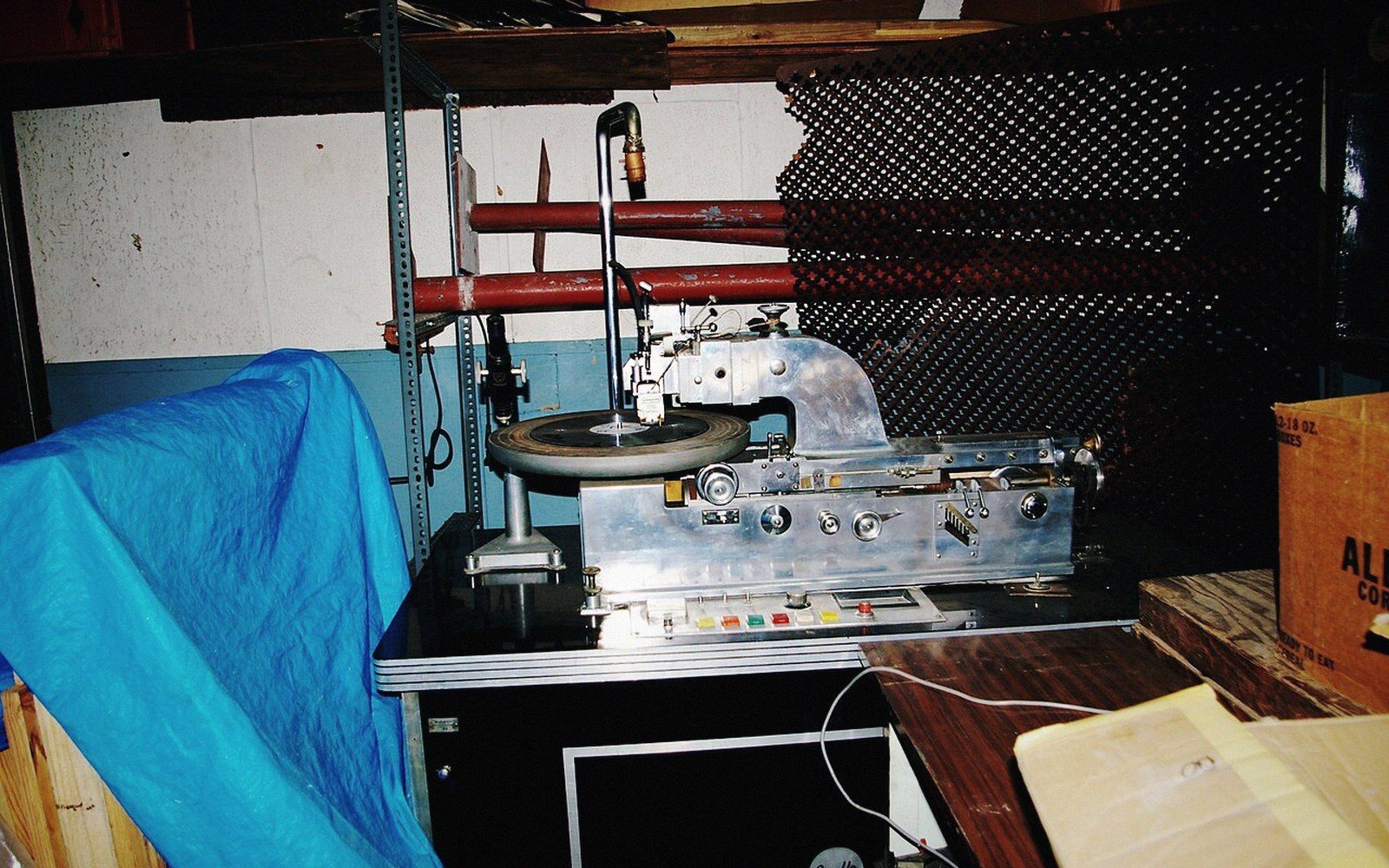
The pressing plant's position was the least visible but most structurally important part of the collapse. Plants in Sweden and Germany that had been pressing Nordic metal on thirty- or sixty-day credit terms were often owed several thousand units' worth of manufacturing costs when a distributor failed and its label clients could not pay. Some plants began requiring upfront payment from smaller labels after one or two bad experiences. Others quietly stopped accepting new work from labels whose distribution arrangements they could not verify. This raised the barrier to entry and accelerated consolidation — only labels with either a larger parent or a direct retail relationship, including mail-order operations run from the label's own address, stayed solvent through a distributor failure.
What the collector market reflects, decades later, is this disorder. Scarcity for a given title does not always trace back to a low pressing quantity — it can trace back to a distributor bankruptcy that put three-quarters of a pressing into a liquidation auction that scattered the copies across flea markets and remainder dealers in Germany, the Netherlands, and the UK. A record pressed in Stockholm in 1995, genuinely difficult to find in Sweden today, may be sitting in a box at a German record fair because that was where the bulk lot ended up. The pressing quantity tells you the ceiling; the distribution history tells you the floor.
Labels that survived a distributor collapse and kept releasing records almost always had one of two things: a direct retail account with at least one major independent record shop, or a mail-order list they had been building through fanzine advertising. The ones that disappeared from the catalogue after a single release are frequently the ones that had neither. The distributor was not just the route to market — it was the only route they had, and when it closed, so did they. Their records are rare not because they were pressed in small numbers, but because the commercial mechanism that should have spread them simply ceased to function before the job was done.

What survives in the collector market
| Item | What it means |
|---|---|
| Ex-distribution copies | identifiable by sticker ghosts from price labels applied in warehouse |
| Remainder copies sold in bulk to European clearance buyers | may surface at German or Dutch record fairs far from origin |
| Low street survival rates that do not reflect pressing quantity | quantity was the ceiling, distribution failure set the floor |