A production system disguised as a basement
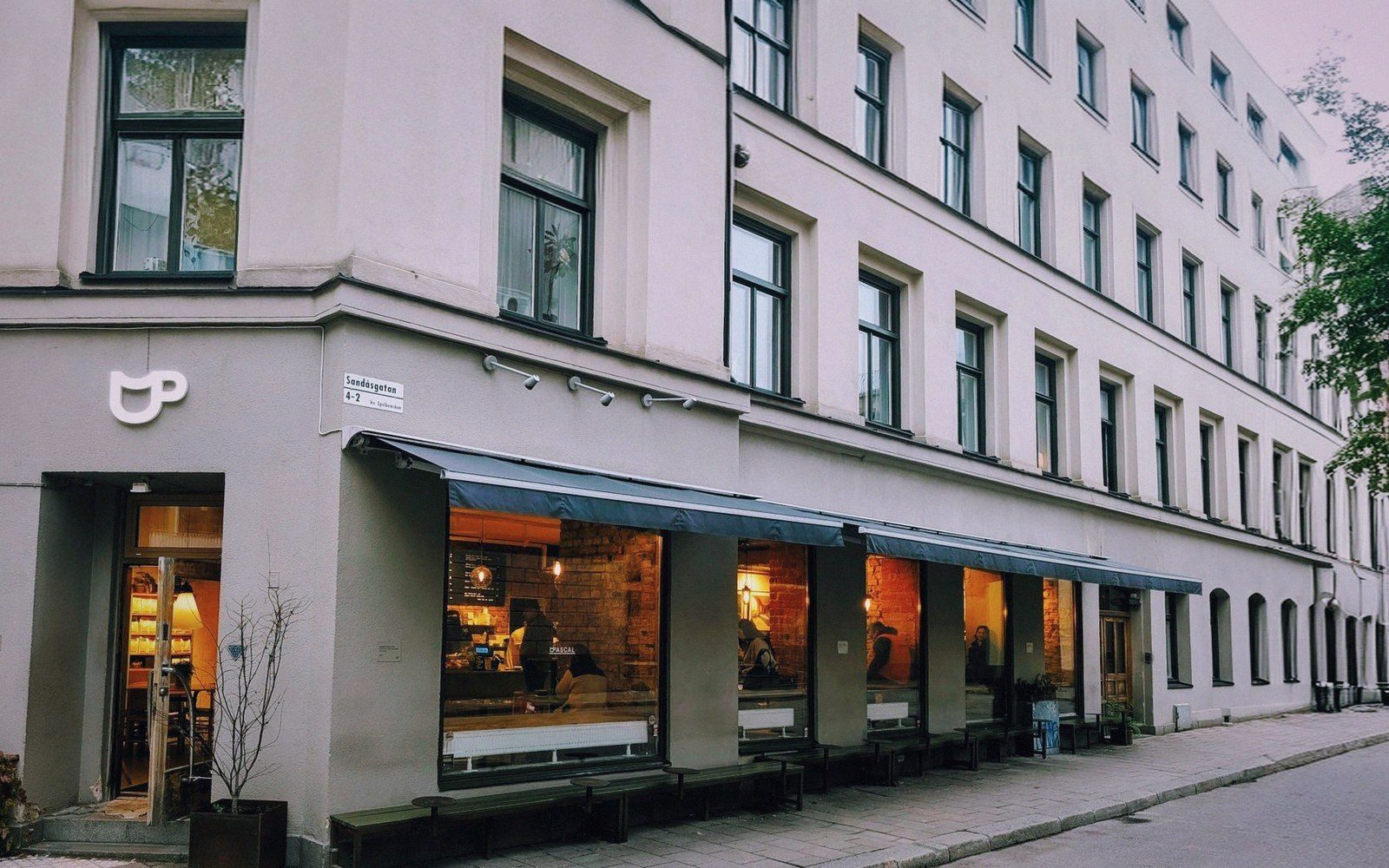
Sunlight Studio was not, by any technical measure, an exceptional facility. It occupied a basement in the Södermalm district of Stockholm, ran on equipment that mid-range studios elsewhere would have considered workmanlike rather than prestigious, and had no acoustic treatment to speak of beyond what the room happened to be. What it had was Tomas Skogsberg, a specific signal chain he had assembled and understood with unusual precision, and a sequence of sessions in the early 1990s that produced a sound so consistent across different bands that it effectively became the genre's specification sheet.
To call it a room is to understate the point. Sunlight was a production system — a set of choices about microphone placement, gain staging, outboard processing, and mixing priorities that Skogsberg applied with enough consistency that records made there became identifiable in the first four bars of any track. That consistency was not accidental. It was the product of a working method refined over repeated sessions, and it had consequences that outlasted the facility itself.
The equipment and what it actually did
The centrepiece of the Sunlight sound was the Boss HM-2, a compact distortion pedal that Tomas Skogsberg ran into the guitar amplifiers — most commonly Marshall stacks — with all four of its controls turned fully clockwise. This setting, which the HM-2's own manual would not have recommended as a balanced tone, produced a saturated, mid-scooped distortion with a pronounced high-frequency chainsaw quality. The pedal cost very little and was widely available; what Skogsberg understood was that recorded through his particular microphone placement and into his desk, it produced something that no amount of expensive amplifier modification would easily replicate. The Boss HM-2's persistence in Swedish death metal is inseparable from the room in which its recorded character was first fixed.
The signal chain
- Boss HM-2 pedalcompact distortion unit, all controls set to maximum; the source of the characteristic guitar tone
- Shure SM57dynamic microphone, close-miked off-axis on the guitar cabinet
- Soundcraft consolemid-range professional mixing desk; shorter, more direct signal path than high-end alternatives
- Marshall amplifier stacksthe guitar amplifiers the HM-2 fed into across most Sunlight sessions
The microphone on the guitar cabinet was typically a Shure SM57, positioned close and slightly off-axis — a placement that emphasises upper-midrange bite and reduces low-end bloom. The combination of the HM-2's already compressed signal, the SM57's proximity character, and the room's reflective basement surfaces produced a guitar tone with immediate transient attack, a compressed sustain, and that particular buzzing density that subsequent producers spent years trying to copy without quite achieving it. The room's reflections were not managed; they were baked in. The sound of Sunlight is partly the sound of untreated concrete behaving in a specific way at the frequencies the HM-2 generated.
Drums were recorded in the same room, typically with a mix of close-miking on each element and room microphones that picked up the basement's natural reverb. The kick drum sound associated with the studio — clicky, dry on the low end, prominent in the upper transient — is partly an equipment choice and partly the physics of a room that did not accumulate low-frequency energy the way a larger, softer space would. Skogsberg's mixing priorities placed the kick drum high in the final balance, making it an equal structural element with the guitars rather than a foundation sitting beneath them. The result was a particularly mechanical, locked-in quality that matched the rhythmic precision the Swedish bands of this period brought to their playing.
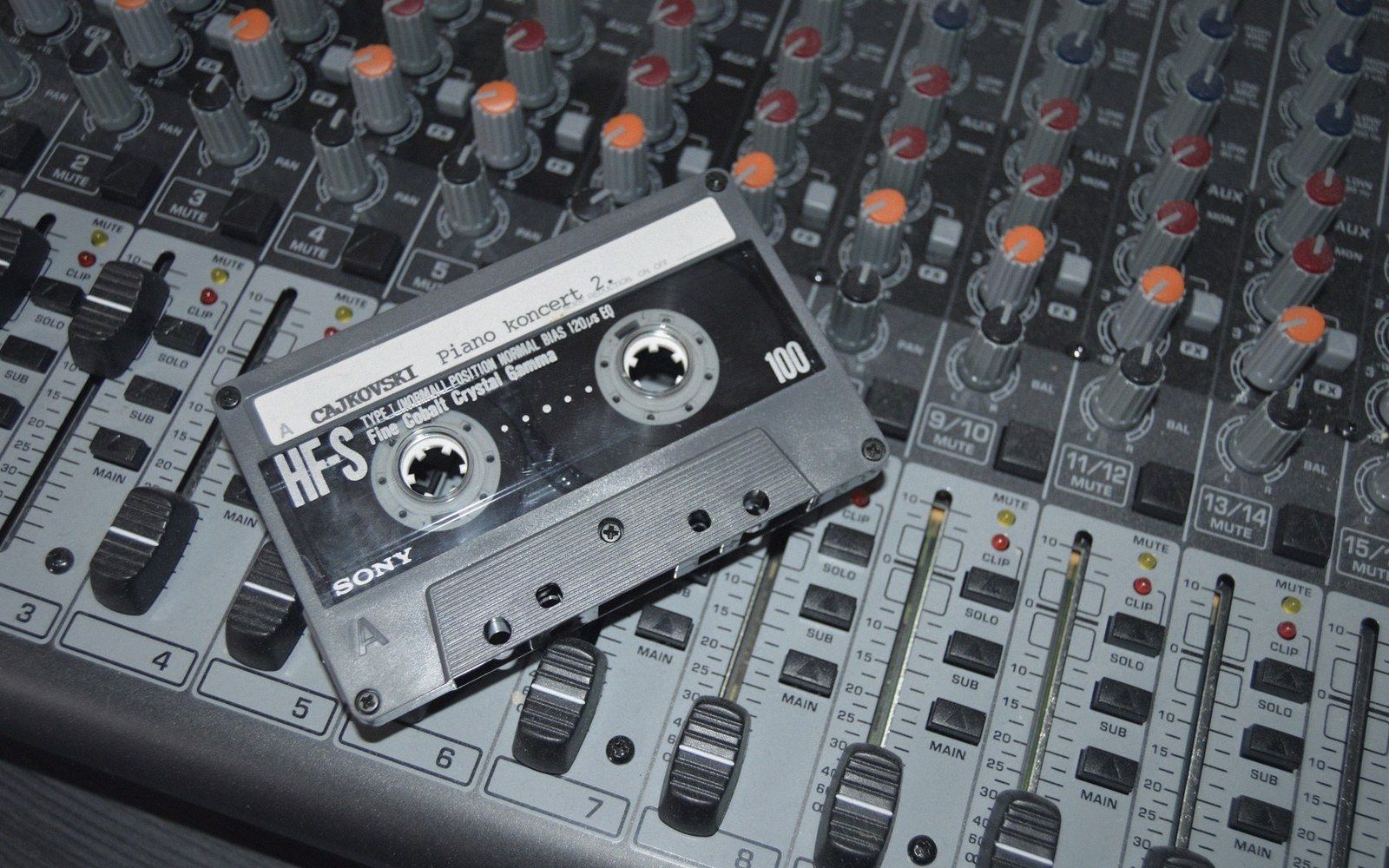
The desk at Sunlight during its peak period was a Soundcraft console, not the kind of large-format SSL or Neve that defined prestige recording facilities of the era. Soundcraft consoles were competent professional tools, and in Skogsberg's hands the desk's particular EQ curves and headroom characteristics contributed to the sound's midrange density. The lack of high-end outboard processing — no extensive use of rack compressors or exotic preamps — meant the signal path was relatively short, and the recordings have a directness that more heavily processed sessions of the same period often lack.
The records and the replication
The sessions that defined Sunlight's reputation came in a concentrated period. Entombed's Left Hand Path, recorded there in 1989 and released in 1990 on Earache Records, was the first fully realised document of the system. The album's guitar sound was so complete and so new — nothing in Swedish recording had quite produced that particular combination of weight and texture — that it immediately became a reference point. Dismember followed with recordings that used the same room and the same signal chain to similar effect. Unleashed recorded there. Grave recorded there. By the early 1990s, the studio had a documented client list that reads as a compressed survey of Swedish death metal's most significant early recordings.
What the records show collectively is not just a shared aesthetic but a genuine system: the same EQ decisions applied to different bands' material produced different results because the bands played differently, but the underlying character remained constant enough that the Sunlight sound functions as a production dialect rather than a mere style. A collector or historian listening blind to a run of early Swedish death metal records can place a Sunlight production with reasonable confidence before the label credit is checked.
The replication problem for other producers and studios was that the system's components were not secret. The HM-2 was available everywhere; the SM57 was ubiquitous; Soundcraft built consoles in volume. What could not be easily replicated was the room itself, the specific interaction of those components in that basement space, and Skogsberg's calibration of levels and balances developed through repeated sessions. Producers who tried to reconstruct the sound in better-equipped studios often found that the improvements worked against them — cleaner preamps, better acoustic treatment, and more expensive signal processing all tended to pull the result away from the specific character that made the original recordings identifiable.
Chronology
- 1989Left Hand Path tracked at Sunlight Studio
- 1990Left Hand Path released on Earache Records; Sunlight sound first widely heard on record
- Early 1990speak session period; Dismember, Unleashed, Grave, and others record there
- Post-peakstudio continues operating; genre's production centre shifts geographically
The studio as historical object
Sunlight continued operating beyond its peak period, and Tomas Skogsberg worked there across several decades. But the window in which the studio was producing the recordings that formed the genre's foundational document was genuinely short — a handful of years in the early 1990s when the right bands, the right equipment, and the right working method converged in that basement in Södermalm. After that window, the genre's production spread geographically and technically, with studios in Gothenburg and elsewhere developing their own characteristic sounds. The Sunlight system was widely imitated and never quite reproduced.
For the collector and the pressing historian, Sunlight matters as evidence of how a room-level production system can define a genre's physical artefacts across dozens of releases. The records that came out of that basement do not merely document the bands that made them — they document a specific configuration of space, equipment, and working practice that existed in one place at one time. Later reissues and remasters of these recordings frequently generate debate precisely because the original production was so specific: to remaster a Sunlight record for clarity is, in a real sense, to argue with the decisions that made it what it is. The question of whether the mid-frequency density was a limitation or an achievement is answered differently by a mastering engineer optimising for streaming and a collector playing the original Earache pressing on a turntable in a quiet room. Both are hearing the same basement. They are not hearing the same thing.