How the room decided before the band plugged in
The studio is not a neutral space. By the time a band in early-1990s Sweden or Norway pressed record, the room itself had already made several of the most consequential sonic decisions — and the desk and tape machine had made the rest.
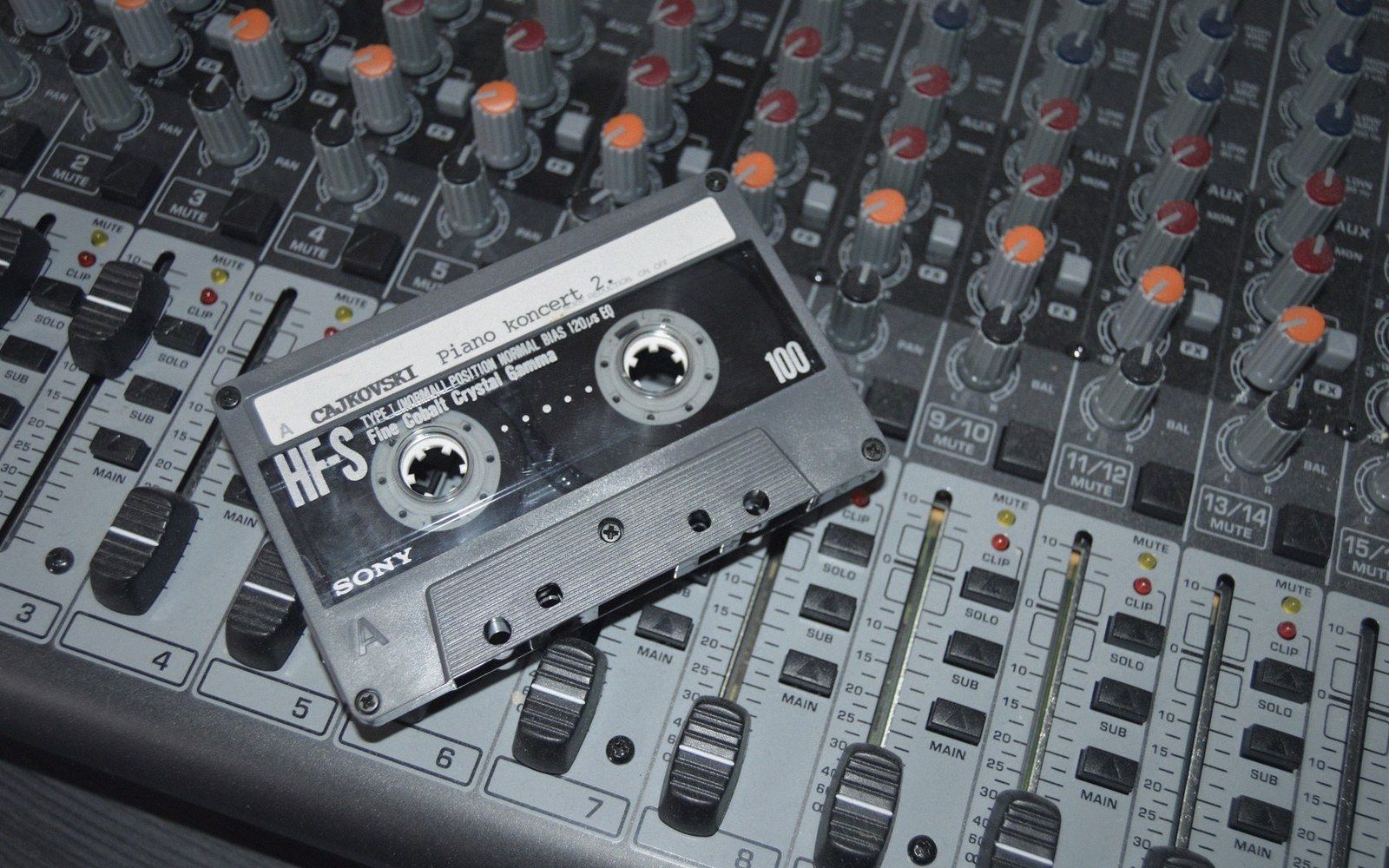
Sunlight Studio, Stockholm. Tomas Skogsberg's room on Södermalm was small and acoustically live. Low ceilings and hard parallel surfaces created a natural compression effect on anything tracked loud, which the room did constantly. The desk was a Neve 8108, a console whose preamps colour the signal with a particular warmth and harmonic density even before the tape stage. Paired with a two-inch Studer A80, which introduced its own gentle saturation at high recording levels, the chain produced a midrange thickness that became inseparable from the Swedish death metal guitar tone. The room did not flatter dynamics; it flattened them, and that flatness became the aesthetic.
Fredman Studio, Gothenburg. Fredrik Nordström's room operated differently. Larger tracking space, treated acoustic panels, and a more controlled low end meant that what the microphone captured was closer to what the source actually produced. Nordström ran SSL desks in various configurations — consoles whose cleaner, faster transient response contrasted sharply with the Neve's rounded character. The result was a more separated, transparent sound: kick drum and guitar occupied distinct frequency regions rather than merging into a single slab. The records that came out of Fredman in the mid-1990s had presence and precision where Sunlight records had density and mass.
The three rooms at a glance
| Item | What it means |
|---|---|
| Sunlight Studio, Stockholm | small, live, acoustically hard; Neve 8108 console; Studer A80 two-inch tape; sound characterised by midrange density and compressed flatness |
| Fredman Studio, Gothenburg | larger, acoustically treated; SSL console family; transparent transient response; separation between frequency bands |
| Grieghallen, Bergen | large concert hall repurposed for tracking; natural long decay built into the architecture; reverb bloom a structural feature, not an effect |
Grieghallen, Bergen. Grieghallen was primarily a concert hall and facility for classical and broadcast work, not a purpose-built rock studio. Pytten — the production name of Eirik Hundvin — used its large live room for tracking, and that room's long decay told on every recording made there. The natural reverb of a hall designed to sustain sound for orchestral performance meant that guitars, when tracked loud, bloomed into the space and blurred at the edges. On the black metal records cut there in the early 1990s, that blur was not corrected; it became a quality. The desk and the tape machine mattered less than the sheer cubic footage and the stone and wood that lined it.
Three studios, three fundamentally different acoustic propositions. The band arrived with instruments tuned a certain way, with specific pedals and amplifiers — but the room had already written the low end, the reverb tail, and the compression behaviour into the contract. Reading the records means reading the rooms they were made in.
Key technical terms
| Item | What it means |
|---|---|
| live room | a tracking space with reflective surfaces that add natural reverberation; opposite of a dead or anechoic room |
| Neve 8108 | British-built mixing console known for warm, harmonically dense preamp character |
| SSL | Solid State Logic; British console manufacturer associated with cleaner, faster transient response than Neve equivalents |
| Studer A80 | Swiss-made two-inch reel-to-reel tape machine; gentle tape saturation at high recording levels |
| transient response | how quickly and accurately a recording chain captures the attack portion of a sound; faster response yields greater definition between instruments |
| Pytten | production name of Eirik Hundvin, engineer and producer at Grieghallen, Bergen |