What the physical record — sleeve credits, studio addresses, label imprints — actually tells you about Bergen's metal output, stripped of the mythology.
What the Sleeves Say
Bergen sits on Norway's western coast, on the North Sea coast, several hundred kilometres from Oslo, and the records that came out of its scene in the early 1990s carry a recognisably different paper trail from the Oslo-and-Østlandet axis that dominates most scene histories. The label names are smaller, the studio credits more spare, and the distribution affiliations often run through European licensees rather than any domestic major.
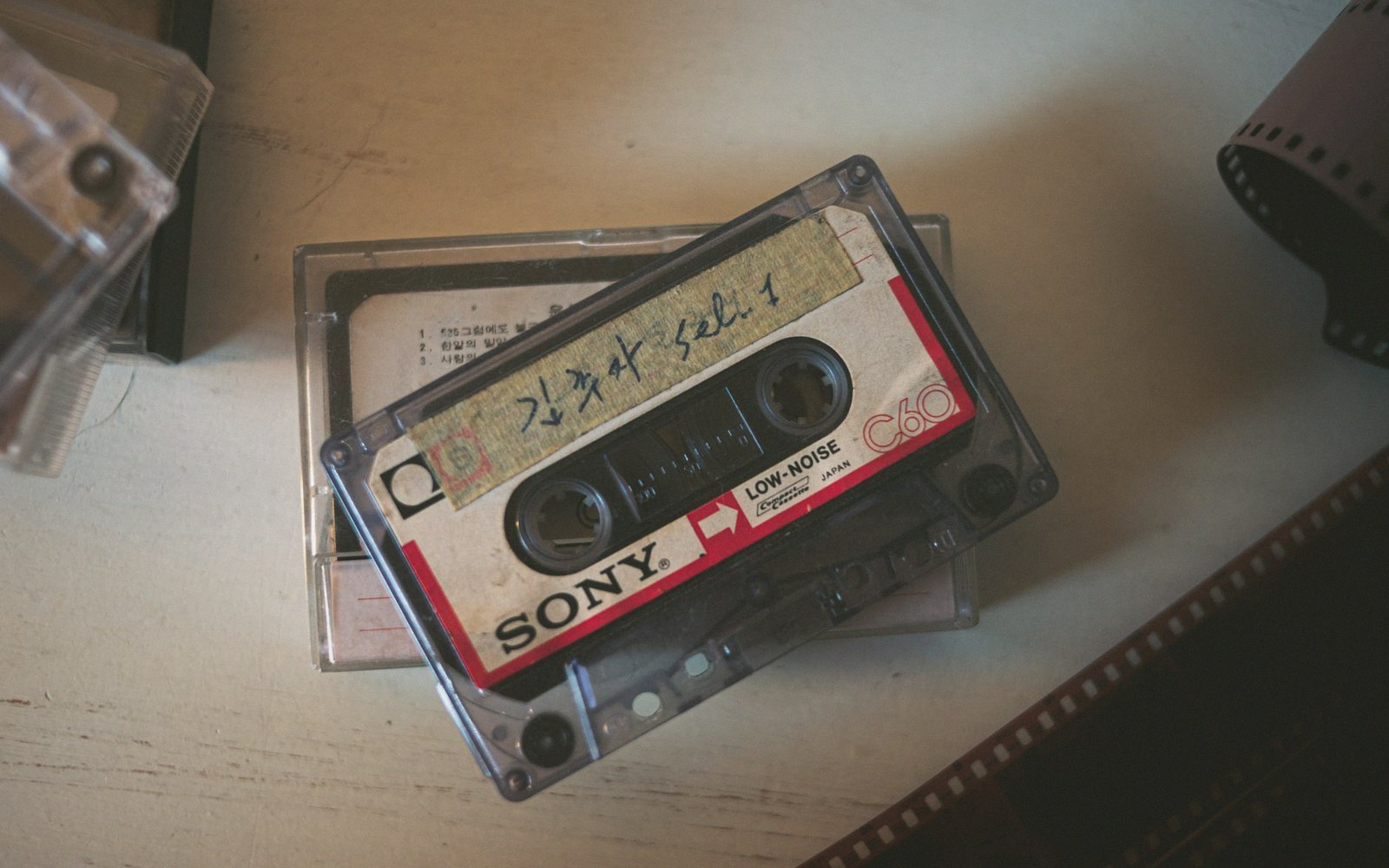
The earliest documented releases from the Bergen underground circulated as cassette demos — physical objects whose credits were typed or handwritten on folded photocopied inserts. Enslaved, who formed in Haugesund before consolidating around Bergen, pressed their earliest material in runs too small to leave pressing-plant records, and the information that survives comes from the inserts themselves: rehearsal-room addresses, contact P.O. boxes, and the handwritten catalogue designations that serious tape-traders used to catalogue their collections. The demo-to-vinyl pathway, when it arrived, ran through Deaf Records and later through Osmose Productions in France — a licensing relationship rather than a full domestic release, which is why original pressings of early Bergen-affiliated records so often bear French or Belgian plant stamps in the runout groove.
Burzum, the one-man project of Varg Vikernes, recorded its self-titled debut in Bergen at Grieghallen studio in 1992. Grieghallen — a professional facility in a concert hall complex — appears in the credits of a number of significant early Norwegian black metal recordings, distinguishing Bergen's documented studio infrastructure from the more improvised setups common elsewhere in the scene. The engineer credit on those early sessions is Pytten (Eirik Hundvin), whose name recurs across Bergen-linked recordings throughout the period. His presence in the runout-adjacent liner credits is one of the reliable physical markers for Bergen-originated material of that era.
Studio and label markers
| Item | What it means |
|---|---|
| Grieghallen | professional recording facility within a concert hall complex in Bergen; appears in sleeve credits as the primary studio for multiple early Norwegian black metal recordings |
| Pytten (Eirik Hundvin) | engineer whose credit recurs across Bergen-linked recordings; reliable identifier on liner notes and inserts |
| Deathlike Silence Productions | Oslo-based label that ceased operations after Aarseth's death in 1993; its dissolution pushed licensing offshore |
| Osmose Productions | French label; holds pressing credit on many first-pressing Bergen-affiliated records; French/Belgian plant stamps in runout grooves follow from this |
| Misanthropy Records | another offshore imprint that handled licensing for Bergen-associated material after the early-1990s disruption |
Documented Facts, Plain
The arson attacks on historic Norwegian wooden churches between 1992 and 1996 — a documented series of fires that destroyed or damaged several centuries-old structures — are a matter of criminal and insurance record. Several individuals with links to the Bergen scene were convicted in connection with these crimes. Vikernes was convicted in 1994 of the murder of Euronymous (Øystein Aarseth) in Oslo and of arson. These are facts of criminal record and are noted here because they directly affected label relationships, pressing decisions, and distribution: Deathlike Silence Productions, the Oslo-based label that had released early material tied to the scene, ceased operations after Aarseth's death. The licensing structures that replaced it moved material offshore, which is precisely why so many serious collectors encounter French and Belgian pressings as the authoritative originals rather than domestic ones.
Reading the Pressings
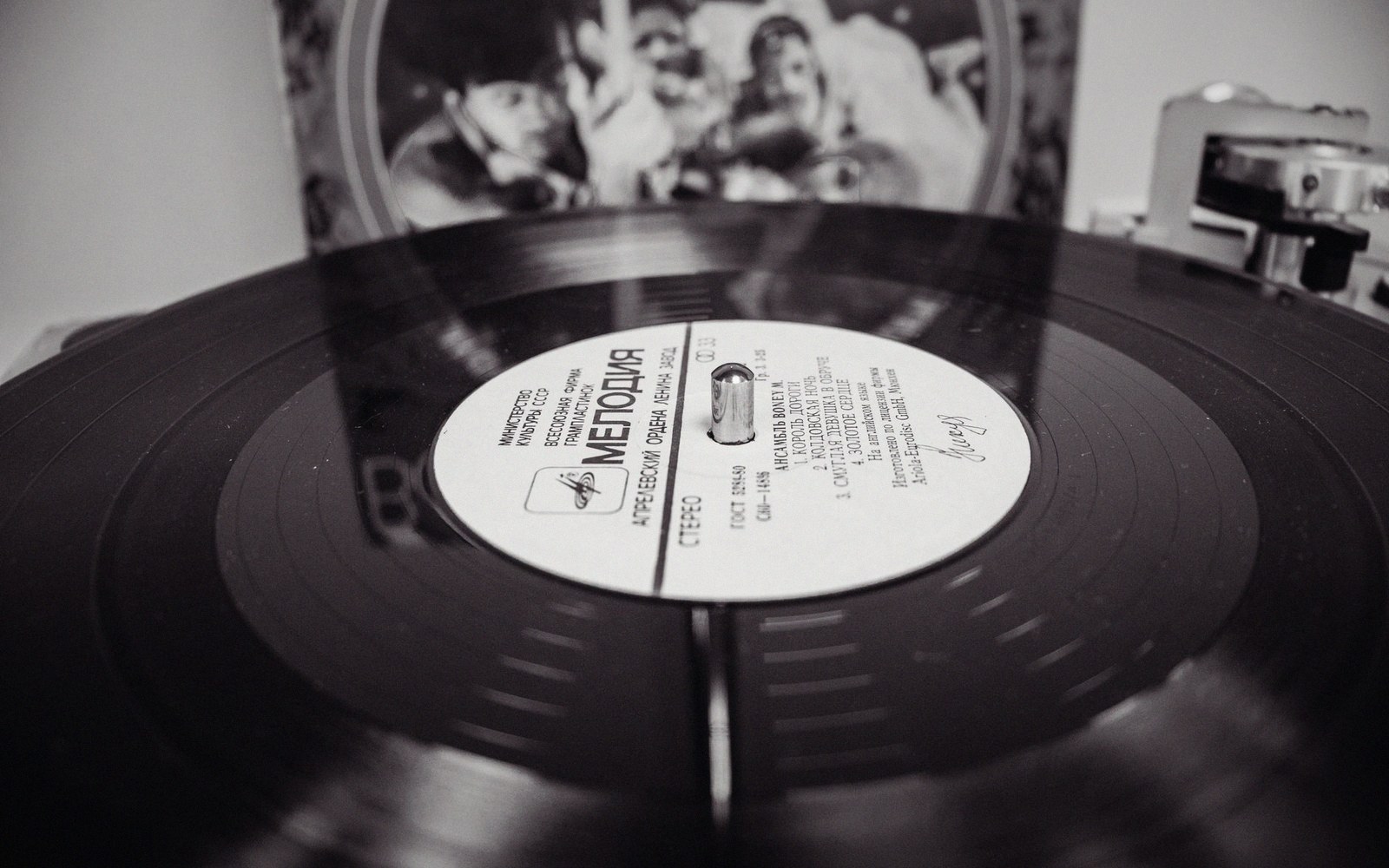
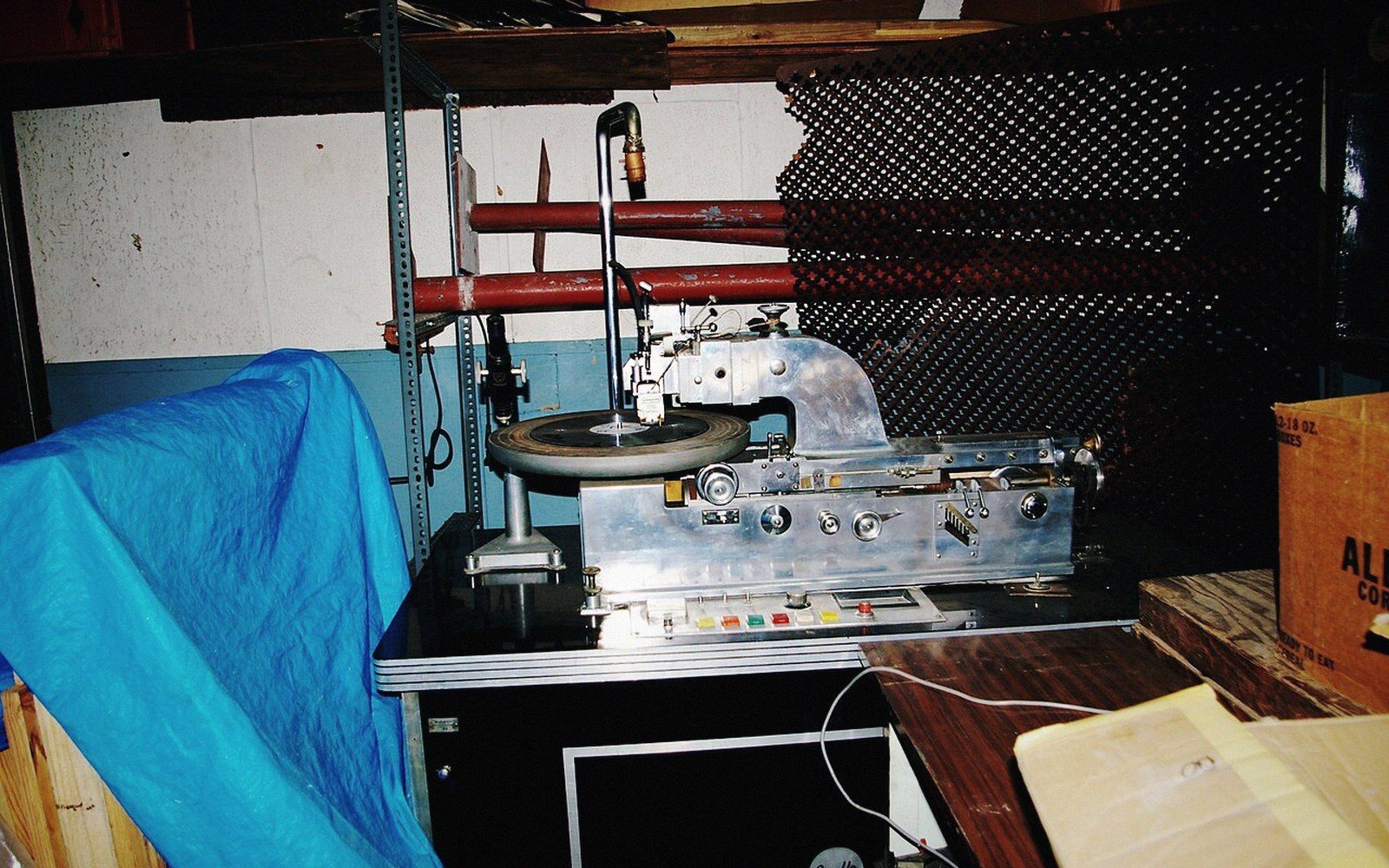
For collectors working from the records outward, the physical evidence is consistent: Grieghallen credits and Pytten's engineer notation, Osmose and Misanthropy imprints on the earliest vinyl, and the absence of any Norwegian distributor stamp on first pressings are the markers that confirm genuine early Bergen-affiliated releases. Later reissues — and there are many — typically show domestic Norwegian or Swedish plant codes and updated IFPI stamps absent from the originals.
The scene's recorded output is not large by absolute count, but the pressing history is genuinely layered. Reading the runout groove carefully — plant codes, matrix etchings, and the presence or absence of IFPI laser inscription — remains the fastest route past the mythology and into what these records actually were: physical objects made under specific material conditions, at specific addresses, and pressed at specific plants whose stamps are still there to read.
Pressing tells for collectors