When Cheap Equipment Was the Point
The recordings that defined early Norwegian black metal were not primitive because their makers lacked resources. Several of the key documents from the period 1991–1993 were made in circumstances where better equipment was available and consciously rejected. Understanding this requires separating two things the market habitually conflates: poverty of means and poverty of ambition.
The four-track cassette recorder — specifically the Fostex X-series and comparable consumer-grade units — appears in documented session notes and liner acknowledgements for several foundational recordings of the period. Burzum's earliest material was recorded on equipment of this class; Varg Vikernes has stated in liner notes and interviews that the resulting sound was not considered a deficiency to be corrected. The compression artefacts, the cassette hiss, the way a distorted guitar would push the tape into saturation and lose its low-mid definition — these were properties the recordings were made with, not in spite of.
That is a production decision, and it should be read as one.
Session archaeology — what to look for
| Item | What it means |
|---|---|
| Fostex X-series, Yamaha RX, Roland TR | consumer-grade equipment named in documented credits for the period |
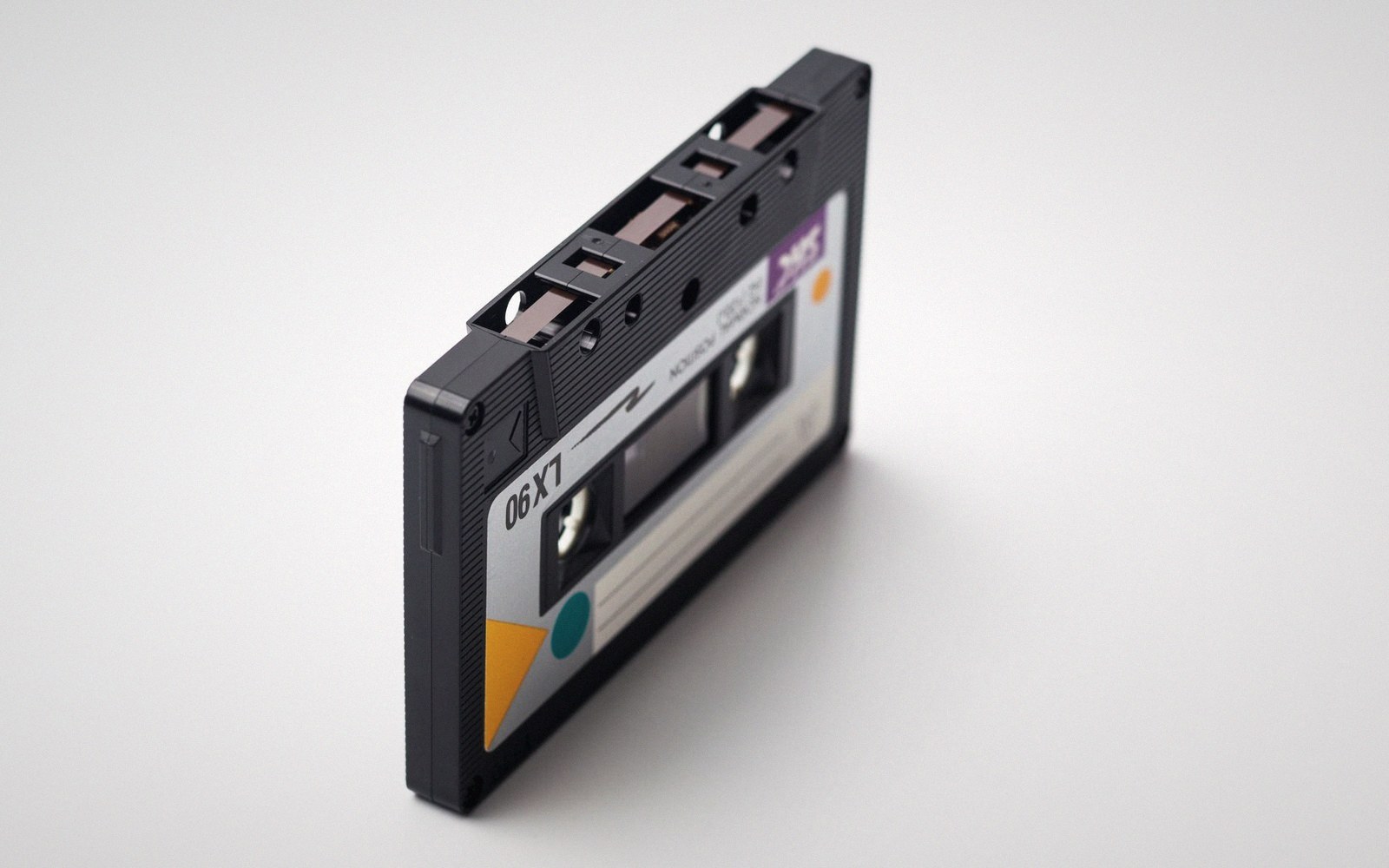
| Four-track cassette format | records specific technical signatures: narrow stereo image, generation-loss smear, cassette hiss |
| Dolby B / Dolby C | noise-reduction circuitry available on most consumer four-tracks; its documented absence is a production choice |
| Single-take tracking | noted in several acknowledgement sections; produces a specific dynamic character in the final vocal layer |
| Necrohell | name given to Fenriz's home recording setup, used for Darkthrone's Panzerfaust (1995) |
| Deathlike Silence Productions, Osmose Productions | labels whose early releases carry unusually candid liner documentation of technical circumstances |
What the Equipment Actually Did
Consumer four-tracks of the early 1990s had a noise floor that was genuinely problematic by conventional studio standards. Recording to cassette at normal bias, then dubbing to a master cassette for duplication, introduced generation loss that smeared transients and added analogue hiss across the full frequency range. Drum machines — the Yamaha RX and Roland TR series both appear in documented credits for this period — were fed into the same chain, their programmed patterns acquiring the same tape texture as the guitars. The result was a kind of timbral uniformity: everything lived in the same compressed, slightly degraded sonic space.
This is technically distinguishable from a four-track recording that was trying and failing to sound like a professional studio. In the latter case, you find attempts to EQ or process away the noise, tracking choices that try to separate frequency ranges, microphone placement aimed at capturing a clean source. In the documented Norwegian recordings of this period, the choices consistently run the other direction: microphones placed at a distance rather than close-miked for definition, recording levels pushed until the tape was already clipping before the mix was set, no noise reduction engaged. Dolby B and C circuitry was available on most units; its absence in these recordings is not an oversight.
Darkthrone's Panzerfaust — recorded in 1994 — was made at Necrohell, Fenriz's own home setup, after the band had already recorded at Sunlight Studio in Stockholm and heard exactly what a professional room sounded like. The retreat to home recording was not a retreat from knowledge. Their liner notes for the album make the position explicit: the sound was the medium for the message, and a polished medium would have been a contradiction. This is documented creative reasoning, not retrospective rationalisation.
What the Liner Notes Say
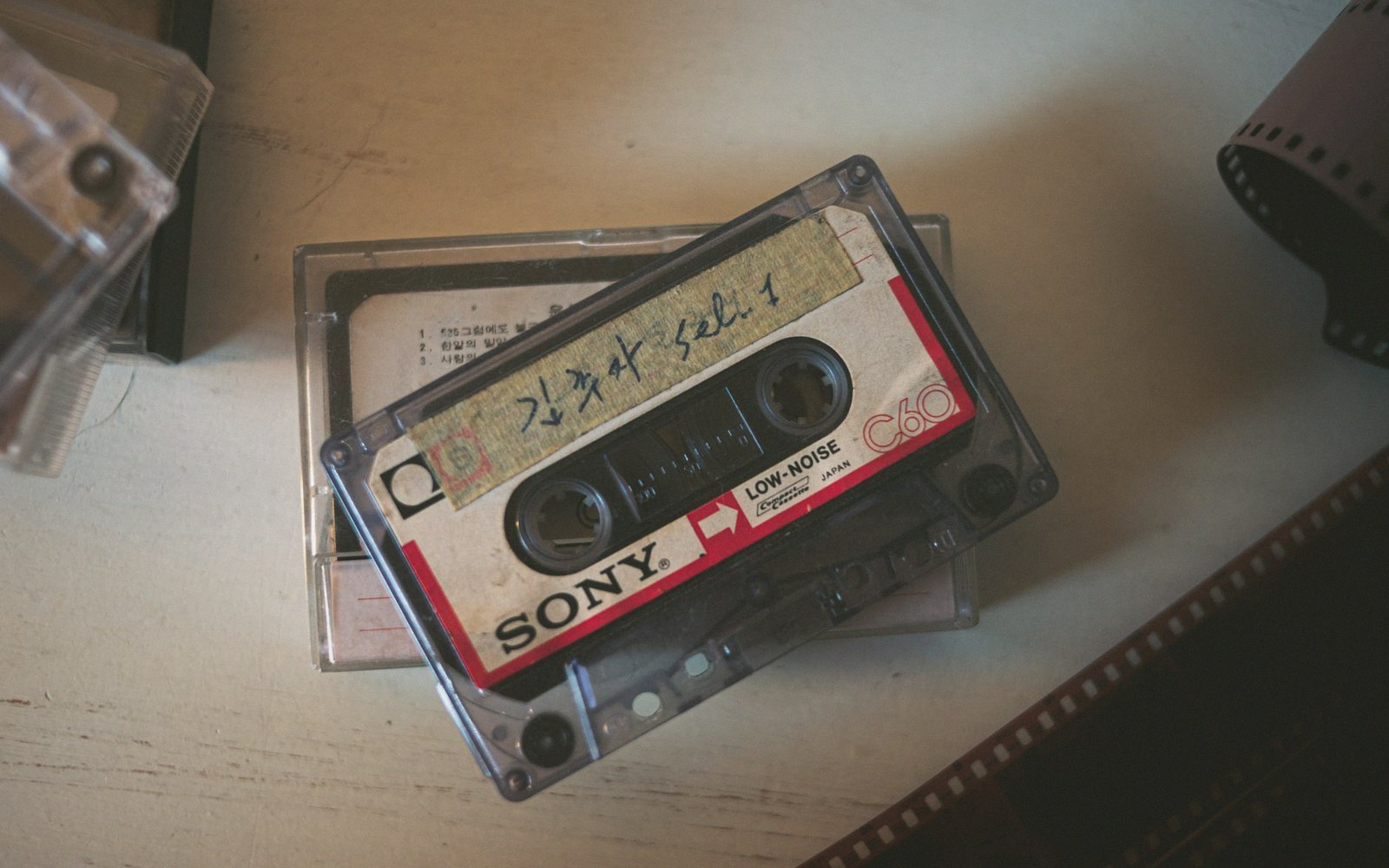
The liner text from this period is unusually candid about technical circumstances, partly because the recordings were made in a scene that treated transparency about process as part of the ideology, and partly because the constraints were real and made concealment pointless. Labels including Deathlike Silence Productions and early Osmose Productions releases carry acknowledgement sections that name home addresses, personal four-track models, and in several cases the approximate number of takes — which was often one.
Reading those acknowledgements against the audio gives collectors and archivists a coherent account. A single-take recording on a consumer cassette machine, with a drum machine programmed by the same person playing guitar and bass, produces specific technical signatures. The stereo imaging is narrow because the bouncing process collapses it. The vocal — often recorded last onto the final bounce track — sits slightly separate from the instruments in dynamic character because it was not affected by earlier generations of tape saturation. These are forensic facts, and they match the documentation.
What matters for anyone tracing the reissue history of this material is that these properties cannot be restored by remastering. A remaster of a Burzum cassette-era recording can raise or lower volume, apply noise reduction, or adjust EQ, but it cannot give the recording a lower noise floor than the original medium possessed. Several CD reissues from the mid-1990s onward applied noise reduction that removed the hiss and in doing so removed part of the textural character of the work. Whether that is an improvement or a damage is a question about intent, and the intent is documented: the hiss was not an accident.
What reissues can and cannot do
This is why reading the runout groove of a reissue tells only part of the story for this category of record. The matrix text tells you the pressing generation; it does not tell you what was done to the signal before it reached the lacquer. For cassette-source material, the gap between those two facts is where the collector's real question lives.
The deliberate lo-fi aesthetic was a choice made under specific conditions, in a specific place, by people who understood what professional recording sounded like and declined it. The records document that choice. The job of anyone studying them is to read the evidence rather than impose a narrative — of poverty, of genius, of spectacle — onto what the notes already plainly say.