
The market uses these words interchangeably. Collectors cannot afford to.
Two Words, Two Processes
A reissue is a manufacturing decision. Someone presses more copies of a record — on vinyl, CD, or cassette — from existing production materials. The lacquer may be cut fresh from the original master tape, or it may be cut from a digital transfer of it, or the plant may simply be handed a set of approved files. The recording itself is untouched. What you receive is another pressing of the same audio, with all its original character: the limiting, the EQ, the room, the decisions Tomas Skogsberg or Pytten made in real time at the desk.
A remaster is an audio process. An engineer returns to the source — ideally the original multitrack or the original two-track mix — and applies new processing: fresh EQ, compression, limiting, sometimes noise reduction. The stated goal is usually to optimise the transfer for current playback systems or to correct a flaw in the original. The result is a different-sounding recording, regardless of whether it ends up on vinyl or CD.
These two things happen independently, and they also happen together — which is where the confusion lives. A label can reissue without remastering (source the original lacquer or a flat digital transfer, press new copies), or remaster without reissuing (deliver a remastered audio file to streaming platforms and never cut vinyl at all). When a label does both simultaneously, the word remastered often appears on the sleeve in larger type than reissue, and buyers assume the bigger word tells the whole story.
Key distinctions
| Item | What it means |
|---|---|
| Reissue | a new pressing; the audio is not changed |
| Remaster | a new audio process applied to the source material; can exist without any new pressing |
| Both together | the common commercial case: new pressing and new audio; the word remastered on the sleeve often obscures that both events have occurred |
Why It Changes What You Are Buying
For the Nordic metal catalogue specifically, the difference is not academic. Records cut at Sunlight Studio in the early 1990s carry a very specific EQ signature — the high-mids on the guitars, the particular weight of the kick drum — that can be substantially altered in remastering, even by a competent engineer working in good faith. Whether that alteration is an improvement depends entirely on what the buyer is after. Someone purchasing a reissue for archival reasons wants the original transfer. Someone purchasing a remaster wants a contemporary engineer's interpretation of the material.
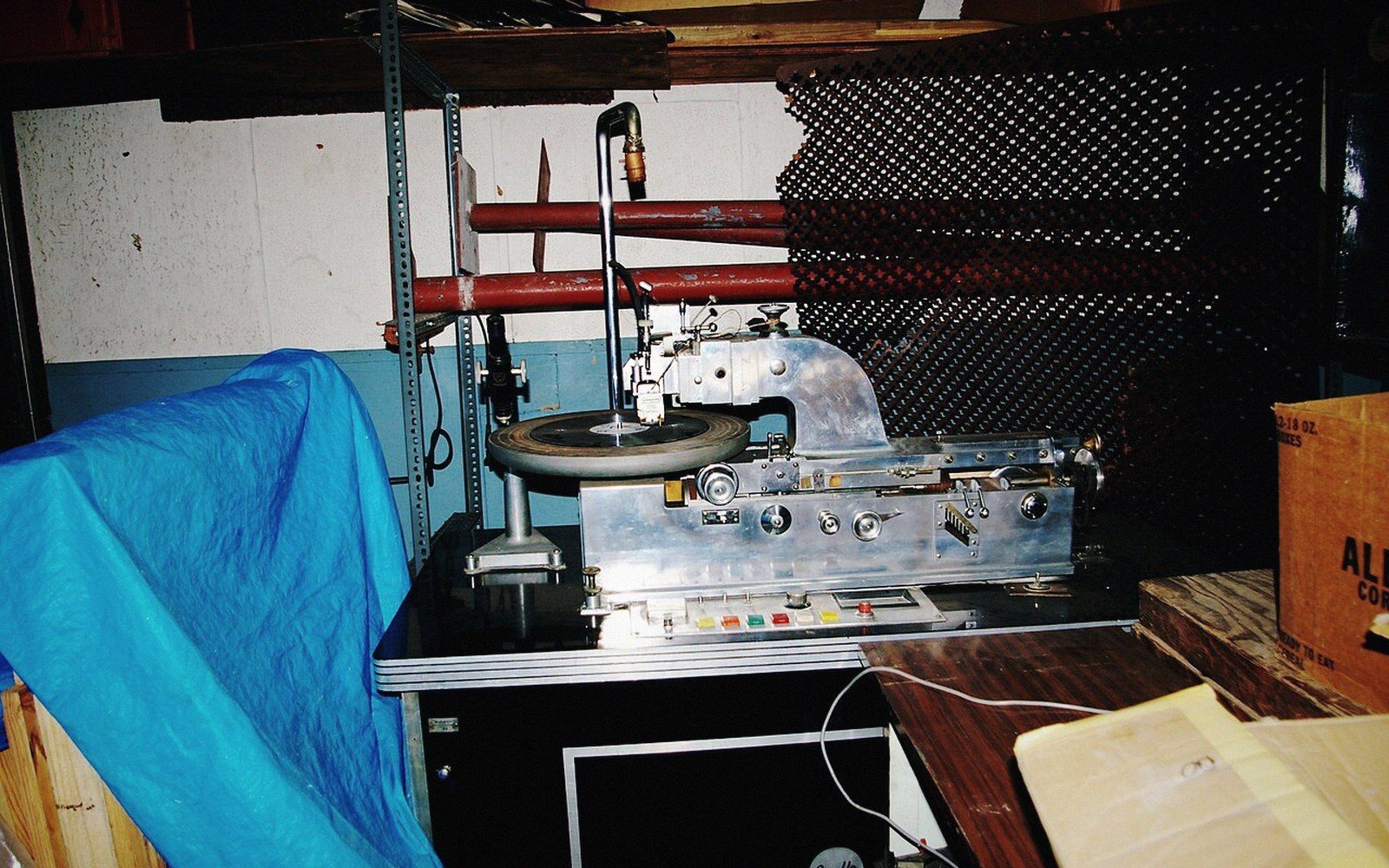
The practical test is straightforward: look for the words remastered from the original tapes or an equivalent credit in the liner notes. Check whether the remastering engineer is named; named engineers are accountable. Look at the runout groove — a fresh lacquer cut for a reissue will typically carry a new cutting date or a designation such as RE alongside the matrix. No such marking, and the reissue may be running from an old stamper with a new sleeve.
The label controls what it calls the product. The runout groove tells you what it actually is.
What to look for on the physical object
| Item | What it means |
|---|---|
| Remastering credit | engineer named in liner notes confirms an audio process occurred |
| Runout groove markings | a fresh lacquer cut typically shows a new cutting date or RE designation in the matrix area |
| Flat transfer | a reissue made from a digital copy of the original master, with no new processing; not always disclosed |